
The short answer
Carroll Gardens homes usually need a new chimney liner when an old clay or masonry flue is cracked, deteriorated or unsuited to the current appliance, especially after a boiler converts from oil to gas. EliteFlue inspects the flue, recommends the right liner type and size, and installs it before the appliance goes back into regular use.
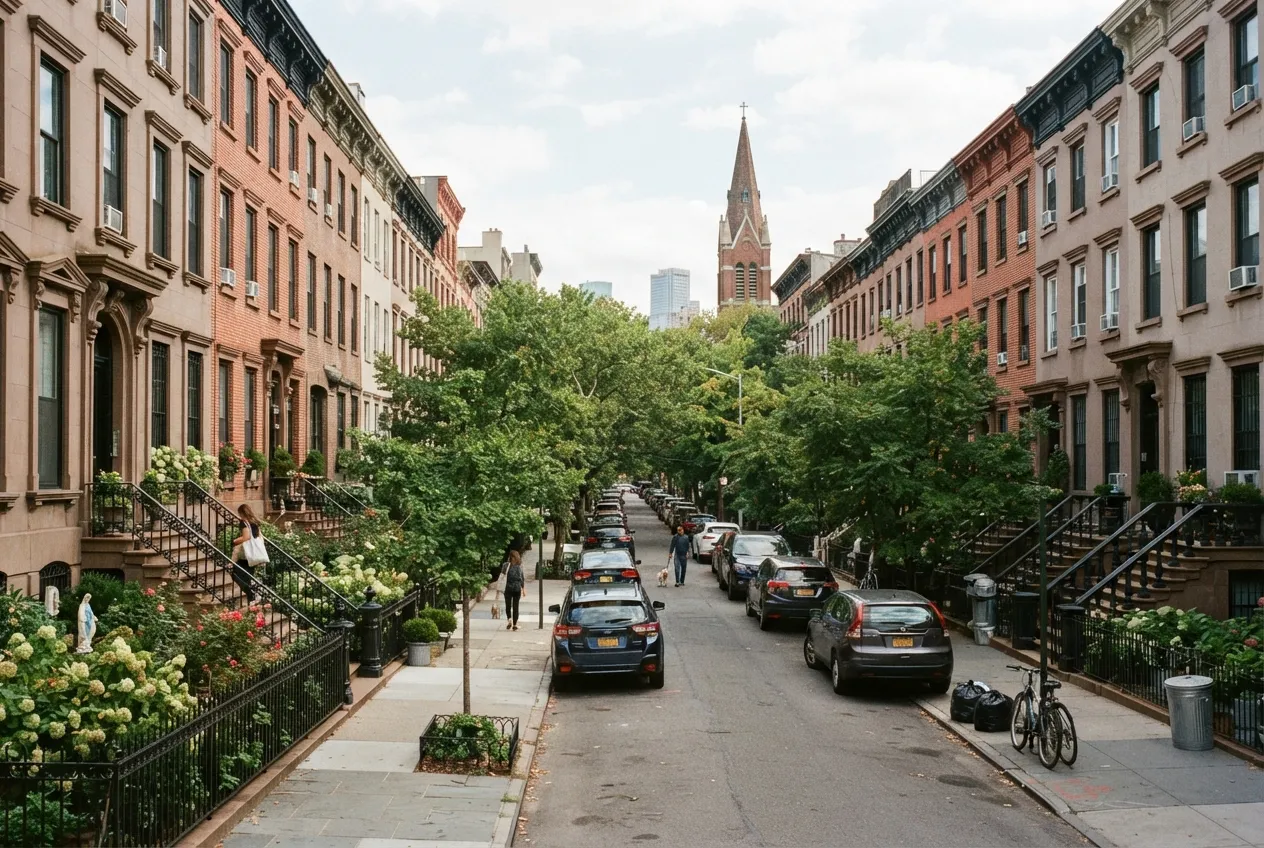
Many Carroll Gardens homes were built long before today's heating equipment, and their chimneys were built for the fuels of their time. Brownstones, rowhouses and pre-war apartment buildings in the neighborhood often have masonry flues lined with clay tile, and some older chimneys have no liner at all. When a liner cracks, crumbles or no longer suits the appliance it serves, a new liner is usually the fix. EliteFlue Chimney Services installs chimney liners for homes in Carroll Gardens (ZIP 11231) from our office in Fort Greene, about a mile away. Our certified technicians inspect the flue first, explain what they find, and recommend a liner sized for your boiler, furnace, water heater or fireplace.
Why the Liner Matters in Older Brooklyn Chimneys
A chimney liner does three jobs. It keeps heat away from the surrounding brick and any nearby wood framing. It carries smoke and exhaust gases, including carbon monoxide, up and out of the house. And it shields the masonry from moisture and acidic byproducts that wear down mortar over time.
In older brownstones and rowhouses, clay tile liners can crack from age, settling, water damage or a past chimney fire. Mortar joints between tiles can wash out, leaving gaps where exhaust can leak into the brick. In attached homes, chimneys often run near shared walls, so a failing flue is something to address promptly rather than put off.
Oil-to-Gas Conversions and Your Chimney
Many Brooklyn homes and small apartment buildings have switched, or are planning to switch, their boilers from oil to gas. When a New York City building makes that conversion, the chimney has to be evaluated as part of the job, and a new liner is often needed.
The reason is chemistry. Gas exhaust produces acidic condensate, and over time that moisture can corrode a masonry flue that was perfectly serviceable with oil. A properly sized liner made for gas appliances keeps that condensate contained and helps the new equipment vent the way it was designed to. If a conversion is on your calendar, it helps to bring us in early so the chimney work lines up with the boiler installation.
Signs Your Chimney May Need a New Liner
Some liner problems are only visible with a camera, but these are common reasons homeowners call us:
- You are converting a boiler from oil to gas, or replacing a furnace or water heater
- Pieces of clay tile, flaky material or debris collect at the base of the chimney
- Brown or white staining, damp spots or peeling paint on walls near the chimney
- A recent inspection found cracked tiles, open mortar joints or an unlined flue
- Smoke or exhaust odors inside the house when the appliance or fireplace runs
- You want to start using a fireplace that has sat unused for years
Liner Options We Install
The right liner depends on the appliance, the fuel and the shape of the flue. Stainless steel liners, either flexible or rigid, are a common choice for gas and oil boilers, water heaters and many wood-burning fireplaces. They can be fitted inside an existing flue, including the offsets that are common in older Brooklyn chimneys. Cast-in-place liners, which form a new smooth surface inside the existing masonry, can suit chimneys that also need structural support. In some cases, replacing clay tile is an option.
Sizing matters as much as material. A liner that is too large or too small for the appliance can cause poor draft, condensation and venting problems. We size each liner to the equipment it serves and explain the reasoning so you know what you are paying for.
How Liner Installation Works
Every job starts with an inspection. The NFPA 211 standard calls for chimneys, fireplaces and vents to be inspected once a year, and it calls for a more detailed Level 2 inspection when the system changes, such as a new appliance or a switch of fuel, or when a home is sold. We use a camera to check the full length of the flue, then measure it and review the appliance connection.
Installation typically includes cleaning the flue, removing obstructions or broken tile where needed, setting the liner, connecting it to the appliance and finishing the top with a cap. Before we leave, we confirm the system drafts properly and walk you through the work.
Timing is worth planning. New York City's heat season runs from October 1 through May 31, when building owners must keep apartments heated to the city's minimums. If you own a multi-family building, scheduling liner work before or between heating demands helps avoid disruption for tenants. We also serve nearby Cobble Hill, Gowanus, Red Hook, Park Slope and Brooklyn Heights.
More services in Carroll Gardens
- Chimney Sweep in Carroll Gardens
- Chimney Inspection in Carroll Gardens
- Chimney Repair in Carroll Gardens
- Air Duct Cleaning in Carroll Gardens