
The short answer
Gowanus homes often need a new chimney liner when a boiler is converted from oil to gas, a new appliance goes in, or old clay flue tiles crack. EliteFlue inspects the flue, sizes a liner to your appliance, and installs it, working from our Fort Greene office about a mile away.
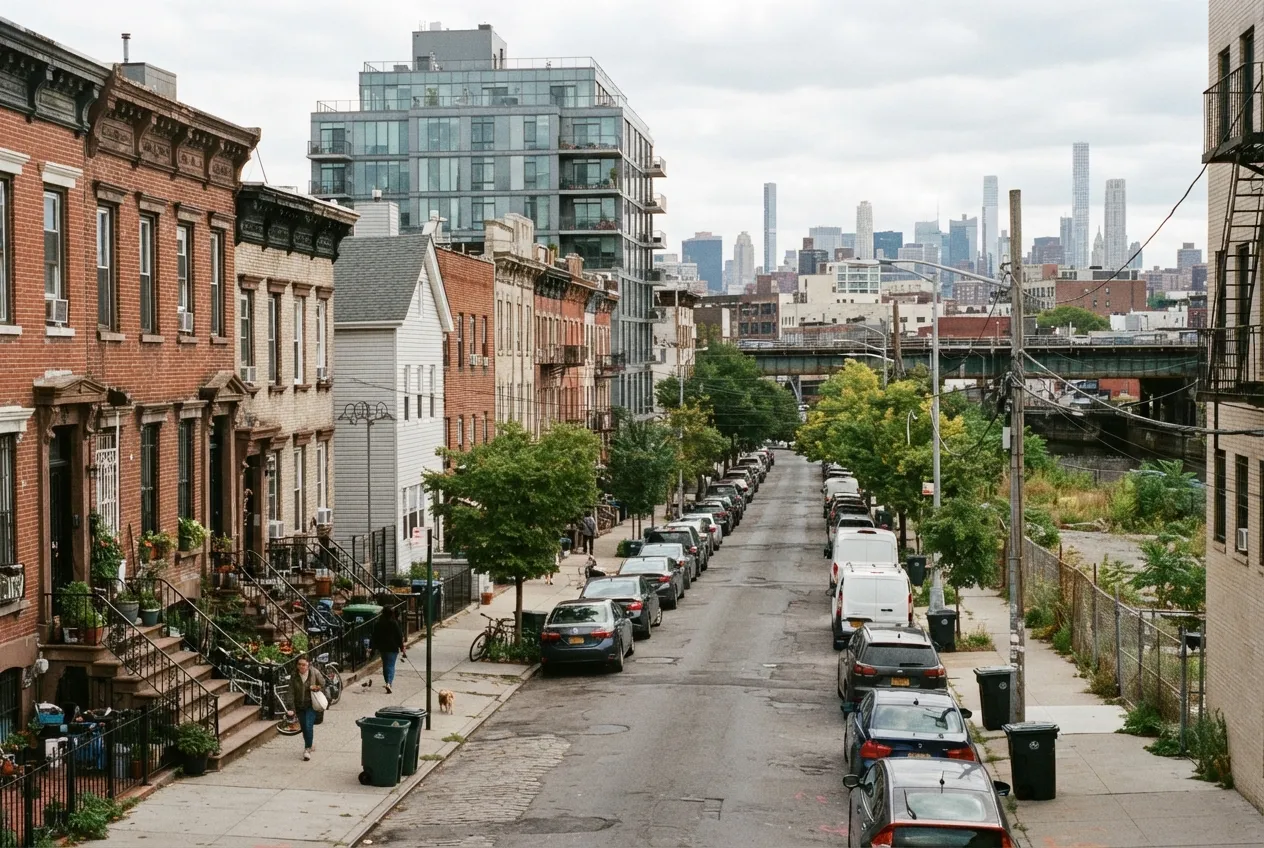
Many homes in Gowanus were built long before today's boilers, furnaces and water heaters. Their chimneys are usually brick with a clay tile flue, and some have no lining at all. When the heating equipment changes or the old tiles crack, the flue often needs a new liner to carry exhaust safely out of the house. EliteFlue Chimney Services installs chimney liners in Gowanus homes and buildings, working from our office in Fort Greene, about a mile away. Here is what a liner does, when you are likely to need one, and what to expect during installation.
Why Gowanus Chimneys Often Need Liners
Gowanus has a mix of rowhouses, brownstones, pre-war apartment buildings and older buildings converted to residential use. Most of them have masonry chimneys that have served several generations of heating equipment. Each change put different demands on the flue, and decades of heating cycles and freeze-thaw weather wear down mortar joints and clay tiles.
A liner is a continuous channel inside the chimney. It contains exhaust, protects the masonry from heat and corrosive byproducts, and matches the flue size to the appliance it serves. A cracked or missing liner can let heat and carbon monoxide escape into walls, upper floors or a neighboring unit. A flue that is too large for the appliance can cause weak draft and heavy condensation.
Oil-to-Gas Conversions and Your Flue
When a New York City building converts its boiler from oil to gas, the chimney has to be evaluated as part of the work. A new liner is often needed because gas exhaust produces acidic condensate that can corrode a masonry flue. An old clay tile flue sized for an oil burner is often too large for a modern gas boiler. In an oversized flue, the exhaust cools and condenses before it leaves the chimney.
If you are planning a conversion, bring us in early. We can inspect the flue, confirm whether a liner is needed, and coordinate timing with your heating contractor so the chimney does not hold up the job.
Signs You May Need a New Liner
The NFPA 211 standard calls for chimneys, fireplaces and vents to be inspected once a year. A Level 2 inspection is used when the system changes, for example a new appliance or a switch of fuel, or when a home is sold. That inspection usually shows whether a liner is needed. Other warning signs to watch for:
- You are switching fuels or installing a new boiler, furnace or water heater
- Tile fragments, flaky debris or crumbling mortar collect at the base of the chimney
- Water stains, white mineral deposits or damp spots appear on walls near the chimney
- You notice exhaust odors indoors, or a heating technician reports draft problems
- An inspection finds cracked, gapped or missing flue tiles
- You want to use a fireplace that has sat unused for years
How We Install a Chimney Liner
Most liner jobs we do in Gowanus use stainless steel, chosen and sized for the specific appliance the flue will serve. Each chimney is different, so we measure and inspect before recommending anything. A typical installation follows these steps:
- Inspecting the flue, including a camera look inside, to measure it and check its condition
- Sizing the liner to the appliance's output and the height of the chimney
- Clearing debris, and removing old tile where needed, so the liner fits
- Running the liner from the roof down to the appliance connection
- Insulating where required, then fitting the top plate, cap and connections
- Testing draft and walking you through the finished work
Planning Around Heat Season
New York City's heat season runs from October 1 through May 31. During those months, building owners must keep apartments heated to the city's minimum temperatures. If you own a building with tenants, a liner problem found in midwinter can put you in a hard spot. Scheduling the inspection and installation in late spring or summer gives you more room to plan.
In attached rowhouses and multi-unit buildings, roof access and shared walls take some planning. We will tell you ahead of time what access we need and how long the work should take. If a problem turns up during heat season, we will work with you to keep the time without heat as short as possible.
Serving Gowanus and Nearby Neighborhoods
We install chimney liners throughout Gowanus (11231) and in nearby Carroll Gardens, Cobble Hill, Red Hook, Park Slope and Brooklyn Heights. Our certified technicians work out of Fort Greene, so reaching your home is a short trip.
More services in Gowanus
- Chimney Sweep in Gowanus
- Chimney Inspection in Gowanus
- Chimney Repair in Gowanus
- Air Duct Cleaning in Gowanus