
The short answer
Yes, EliteFlue serves the Lower East Side (ZIP 10002) from our Fort Greene, Brooklyn office about 2 miles away. We sweep, inspect, reline and repair chimneys and clean dryer vents and air ducts in the neighborhood's older apartment buildings and rowhouses.
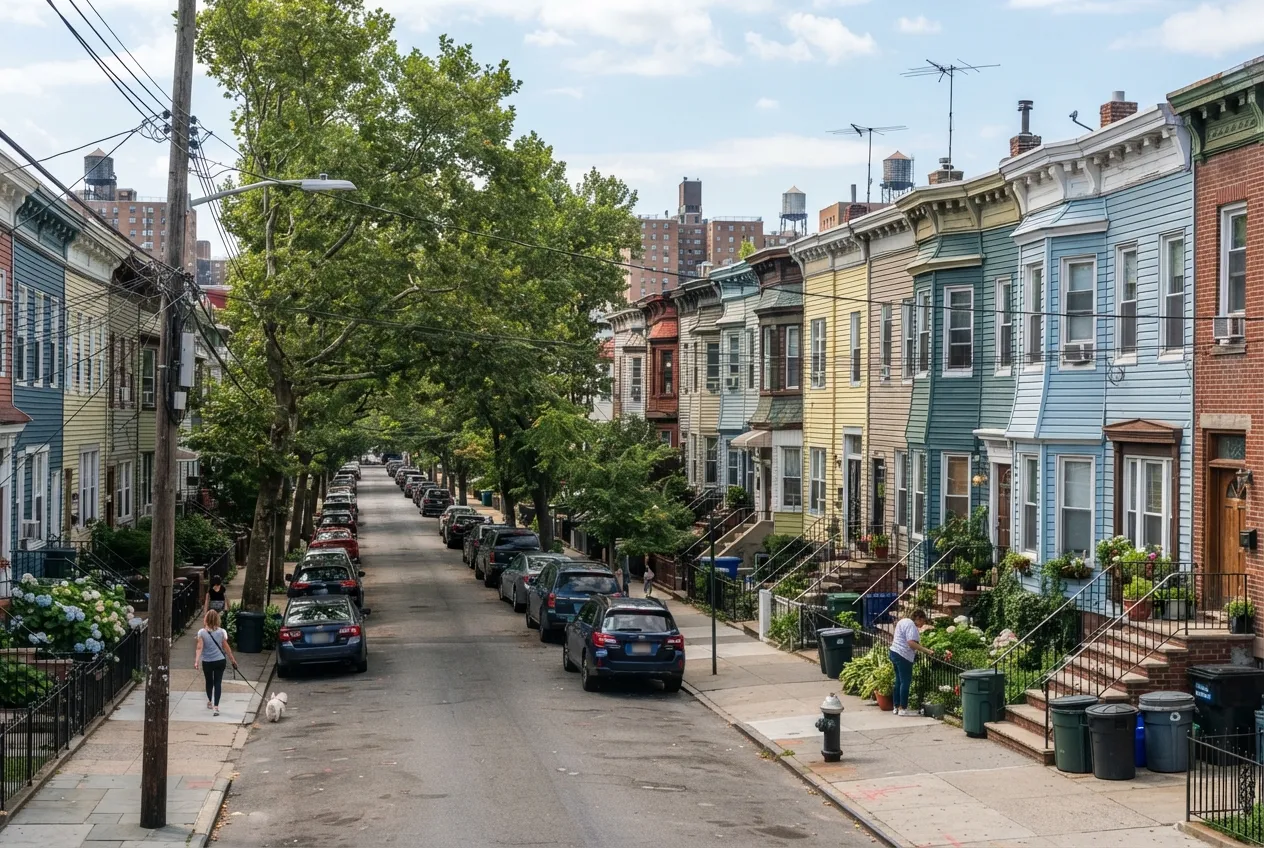
EliteFlue Chimney Services cleans, inspects and repairs chimneys, fireplaces, dryer vents and air ducts for homes and buildings on the Lower East Side (ZIP 10002). Our office in Fort Greene, Brooklyn, is about 2 miles south, so the neighborhood is a short trip for our crews. Much of the housing here is older: pre-war walk-ups, tenement-style apartment buildings with shared flues, and a smaller number of rowhouses. Masonry chimneys in buildings like these have handled decades of boiler exhaust, weather and settling, and they need careful attention to keep working safely.
Chimney and fireplace service for Lower East Side homes
Some apartments and rowhouses in 10002 still have working or decorative fireplaces, and nearly every building has at least one flue serving a boiler or water heater. A clogged, cracked or unlined flue can push smoke and carbon monoxide back into living space. That is why every visit starts with a look at the whole venting system, not just the firebox.
Our certified technicians handle the full range of chimney and fireplace work:
- Chimney sweep to remove soot, creosote and debris from wood-burning fireplaces
- Fireplace and damper repair, including stuck, warped or missing dampers
- Chimney repair for cracked crowns, loose bricks and failing mortar joints
- Chimney rebuilding when a stack above the roofline is leaning or badly deteriorated
- Chimney cap and chase cover installation to keep out rain, birds and debris
How New York weather wears on chimneys
Lower East Side chimneys stand above rooftops exposed to cold winters, wet springs and humid summers. Water soaks into brick and mortar, freezes and expands, and each cycle opens cracks a little wider. Over time that shows up as flaking brick, crumbling joints, rusted flashing and leaks that stain ceilings on the top floor.
Most of this damage starts at the top of the chimney. A sound crown, a properly sized cap and a breathable masonry water repellent go a long way toward slowing it down. We check all three during an inspection and explain which problems can wait and which should be fixed before the next winter.
Boiler conversions, liners and heat season
When a New York City building converts its boiler from oil to gas, the chimney has to be evaluated as part of the work. A new liner is often needed, because gas exhaust produces acidic condensate that can corrode a masonry flue. We inspect the existing flue, recommend a liner where one is needed, and install it so the appliance vents properly.
Timing matters here. The city's heat season runs from October 1 through May 31, and building owners must keep apartments heated to the city's minimum temperatures during that period. Scheduling inspections, liner installations and repairs in late spring or summer helps avoid taking a heating system offline when tenants depend on it.
Dryer vent and air duct cleaning
According to the U.S. Fire Administration, failure to clean is the leading factor contributing to clothes dryer fires in homes. In apartments, dryer vents often run long distances through walls or ceilings to reach the outside, which gives lint more places to collect. If clothes take longer to dry or the laundry area feels unusually hot, the vent is a good place to look.
For air ducts, we follow the U.S. EPA's guidance: cleaning makes sense when there is substantial visible mold growth, evidence of vermin, or excessive dust and debris. The EPA also says duct cleaning has not been shown to prevent health problems, so we won't claim that it does. We tell you what we found and what we removed, and we only use chemical treatments after explaining them and getting your agreement.
Inspections and which level you need
The NFPA 211 standard calls for chimneys, fireplaces and vents to be inspected once a year. A Level 1 inspection fits when nothing about the system has changed. A Level 2 inspection applies when the system changes, such as a new appliance or a switch of fuel, or when the home is sold. A Level 3 inspection is for hidden hazards that can only be reached by opening part of the chimney or building.
Beyond the Lower East Side, we also serve nearby Brooklyn neighborhoods, including Fort Greene, Downtown Brooklyn, DUMBO, Boerum Hill and Brooklyn Heights.
ZIP codes we serve
- 10002