
The short answer
EliteFlue serves Wingate, Brooklyn (11225) from our nearby Fort Greene office, with chimney sweeping, inspection, repair, liners, rebuilding, and dryer vent and air duct cleaning. The NFPA 211 standard calls for a chimney inspection once a year, and older Brooklyn masonry exposed to freeze-thaw winters benefits from that regular check.
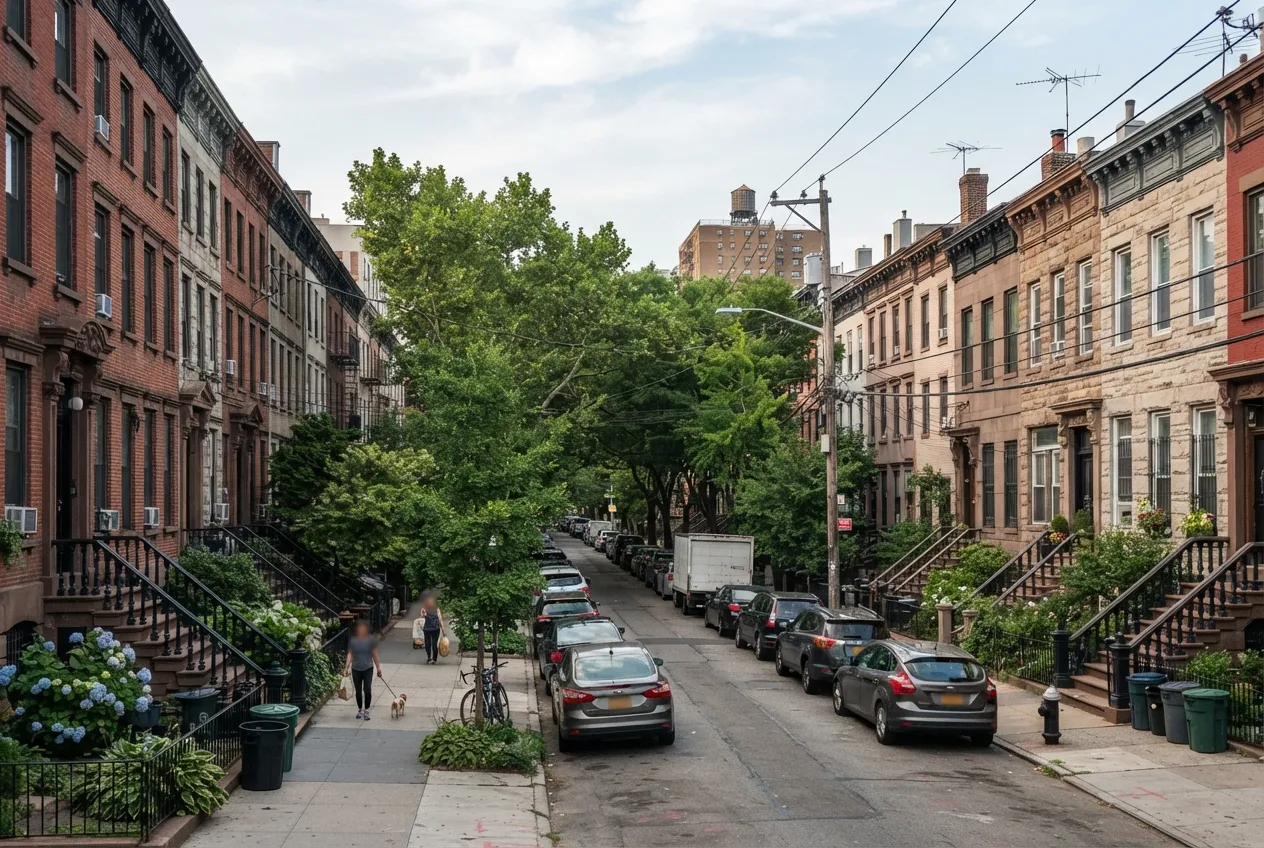
Wingate sits in central Brooklyn, about two miles southeast of our Fort Greene office, so EliteFlue technicians are in ZIP code 11225 regularly. The neighborhood's housing includes attached rowhouses, older detached homes and pre-war apartment buildings, and many of them still rely on masonry chimneys built for coal or oil heat. We handle chimney sweeping, inspection, repair, liner installation, and dryer vent and air duct cleaning for Wingate homeowners and building owners. Our technicians are certified, and they explain what they find in plain terms before any work begins.
Chimney Care for Wingate's Older Homes
Much of the chimney work we do in Wingate is on masonry chimneys that have been in service for many decades. Over that time, mortar joints wear down, clay flue tiles can crack, and the concrete crown at the top can open up. These problems usually can't be seen from the sidewalk. That's why we look at the whole system: the firebox, damper, smoke chamber, flue and exterior masonry.
The NFPA 211 standard calls for chimneys, fireplaces and vents to be inspected once a year, even if you rarely light a fire. Chimney professionals use three inspection levels, and we'll tell you which one fits your situation:
- Level 1: used when nothing about the system has changed since the last inspection.
- Level 2: used when the system changes, such as a new appliance or a switch of fuel, or when the home is sold.
- Level 3: used when a suspected hazard is hidden and part of the chimney or building has to be opened to reach it.
How Brooklyn Weather Wears on a Chimney
Brooklyn winters bring repeated freeze-thaw cycles. Water soaks into brick and mortar and expands when it freezes. Over a few seasons, that pushes joints apart and causes spalling, where the face of the brick flakes off. Coastal storms and wind-driven rain push more water into the masonry, and humid summers can leave a damp fireplace smelling musty.
Keeping water out is usually simpler than fixing the damage later. We install chimney caps and chase covers to keep rain, debris and animals out of the flue. We also apply breathable waterproofing to sound masonry, and we repoint or rebuild sections when the damage has gone too far for a simpler repair. Watch for these signs:
- White staining on the brick
- Crumbling mortar or loose bricks near the top of the stack
- Water stains on a ceiling or wall next to the chimney
- A rusted damper, or one that won't close fully
- Pieces of tile or masonry falling into the firebox
Boiler Conversions and Liners in Pre-War Buildings
When a New York City building converts its boiler from oil to gas, the chimney has to be evaluated as part of the job. A new liner is often needed, because gas exhaust produces acidic condensate that can corrode a masonry flue. We evaluate the existing flue and install liners sized to the new appliance.
Timing matters for building owners. New York City's heat season runs from October 1 through May 31. During that period, owners must keep apartments heated to the city's minimum temperatures. Planning chimney and liner work outside the heat season helps you avoid having the heating system down when tenants need it.
Dryer Vent and Air Duct Cleaning
According to the U.S. Fire Administration, failure to clean is the leading factor contributing to clothes dryer fires in homes. In attached houses and apartment buildings, dryer vents often run a long way or through tight bends before reaching the outside, which gives lint more places to collect. If drying times are getting longer or the laundry area feels hot, have the vent cleaned.
For air ducts, we follow the U.S. EPA's guidance. Cleaning makes sense when there is substantial visible mold growth, signs of vermin, or excessive dust and debris. The EPA notes that duct cleaning hasn't been shown to prevent health problems. It also cautions consumers about very cheap advertised offers and chemical treatments. We'll tell you honestly whether your ducts need cleaning.
Serving Wingate and Nearby Neighborhoods
Wingate is a short trip from our Fort Greene office, so scheduling a visit in 11225 is straightforward. We also work throughout Prospect Heights, Park Slope, Clinton Hill, Fort Greene and Carroll Gardens. You might need a routine sweep before your first fire of the season, a damper repair, or a full chimney rebuild. In each case, the work starts with an inspection and a clear explanation of what we found.
ZIP codes we serve
- 11225