
The short answer
Downtown Brooklyn homes should have their chimney inspected once a year, as the NFPA 211 standard calls for, even if the fireplace is rarely used. EliteFlue's certified technicians match the inspection level to your situation, from a routine Level 1 check to a Level 2 review after an oil-to-gas conversion or a home sale.
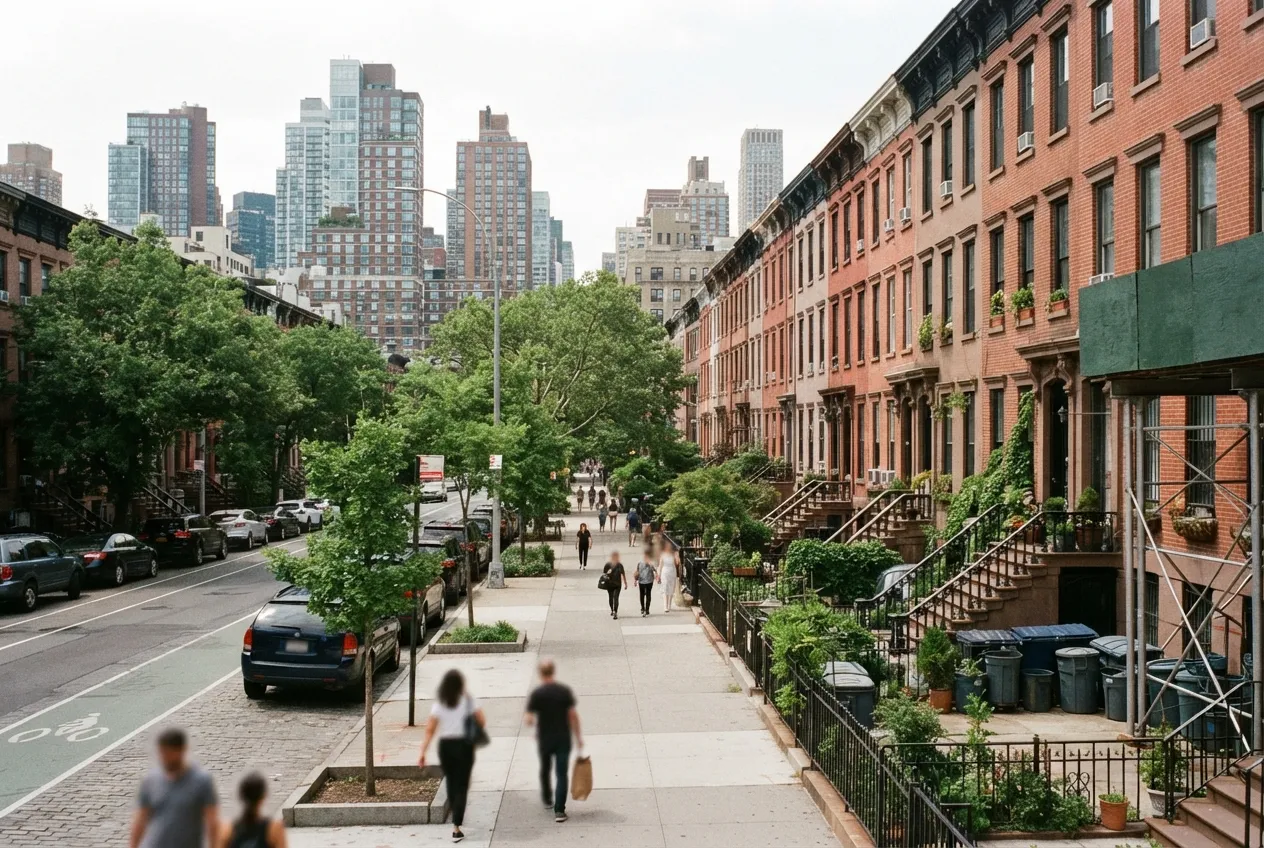
Downtown Brooklyn mixes nineteenth-century brownstones and rowhouses with pre-war apartment buildings and newer residential towers. Many of these homes still rely on a chimney to vent a fireplace, a boiler or a water heater. EliteFlue Chimney Services inspects chimneys and flues throughout ZIP code 11201 from our office in Fort Greene, about a mile away. Our certified technicians look at the whole venting system and explain what they find in plain terms. Before recommending any work, they tell you which level of inspection your home actually needs.
What a Chimney Inspection Covers in Downtown Brooklyn Homes
The NFPA 211 standard calls for chimneys, fireplaces and vents to be inspected once a year. A yearly check catches small problems before they turn into water damage or a venting hazard. Common examples include a cracked flue tile, a loose cap or mortar washing out at the crown.
In the attached masonry homes common here, chimneys often share party walls with neighbors and run several stories through the house. We examine every part we can reach and see. We also note any signs that point to trouble in the sections we can't.
- Firebox, damper and smoke chamber condition
- Flue liner, checked for cracks, gaps, creosote buildup and blockages such as nests or fallen debris
- Crown, cap and flashing where the chimney meets the roof
- Brick and mortar joints on exposed sections of the chimney
- The connection between your boiler, furnace or water heater and the flue
- Clearances to nearby wood framing where they are visible
Choosing the Right Inspection Level
Chimney professionals use three inspection levels, and the right one depends on what has changed in your home. We start with the least invasive level that answers the question. If we think a higher level is warranted, we explain why before going further.
- Level 1: for chimneys in regular use where nothing about the system has changed
- Level 2: when the system changes, such as a new appliance or a switch of fuel, or when the home is sold
- Level 3: when a suspected hidden hazard can only be reached by opening part of the chimney or building
Oil-to-Gas Conversions and Flue Liners
Many brownstones and pre-war buildings in Downtown Brooklyn were originally set up for oil-fired boilers. When a New York City building converts its boiler from oil to gas, the chimney has to be evaluated as part of the work. A new liner is often needed, because gas exhaust produces acidic condensate that can corrode a masonry flue.
If you're planning a conversion or have just finished one, a Level 2 inspection gives you and your heating contractor a clear picture of the flue's condition, size and route. We document what we find so decisions about the liner rest on accurate information rather than guesswork.
Timing Your Inspection Around Heat Season
New York City's heat season runs from October 1 through May 31. During those months, building owners must keep apartments heated to the city's minimum temperatures. If you own a rowhouse or small multifamily building with tenants, the boiler chimney is part of meeting that obligation, not just a comfort issue.
Late summer and early fall are the most practical times to inspect, so any needed repair can be finished before the boiler runs steadily. If you notice warning signs in the middle of winter, don't wait until spring to have the chimney looked at.
- A smoky or musty smell near the fireplace or boiler room
- White staining or crumbling mortar on the outside of the chimney
- Water in the firebox or stains on nearby walls and ceilings
- Bits of tile, brick or debris falling into the fireplace
- Soot or rust around the appliance vent connection
Serving Downtown Brooklyn and Nearby Neighborhoods
Because our office is close by in Fort Greene, we regularly work in Downtown Brooklyn and the surrounding neighborhoods, including DUMBO, Boerum Hill, Brooklyn Heights, Fort Greene and Clinton Hill. The housing across these areas is similar: attached masonry homes, converted older buildings and apartment buildings with shared or long flues. That means many of the same issues come up from street to street.
After each inspection, we walk you through what we saw, what can wait and what should be addressed now. You decide on next steps with a clear understanding of your chimney's condition.
More services in Downtown Brooklyn
- Chimney Sweep in Downtown Brooklyn
- Chimney Repair in Downtown Brooklyn
- Air Duct Cleaning in Downtown Brooklyn
- Chimney Liner Installation in Downtown Brooklyn