
The short answer
The NFPA 211 standard calls for chimneys, fireplaces and vents to be inspected once a year, and DUMBO's older lofts, rowhouses and pre-war buildings are good reasons to keep to that schedule. EliteFlue's certified technicians, based about a mile away in Fort Greene, will recommend the inspection level that matches your home's situation.
If your DUMBO home has a working fireplace, a wood or gas stove, or a boiler that vents through a masonry chimney, a yearly inspection is the simplest way to know whether that system is safe to use. EliteFlue Chimney Services sends certified technicians from our Fort Greene office, about a mile south of DUMBO, to inspect chimneys and vents throughout the 11201 area. This page explains what an inspection covers, which level fits your situation, and when to book so you are ready before the heat comes on.
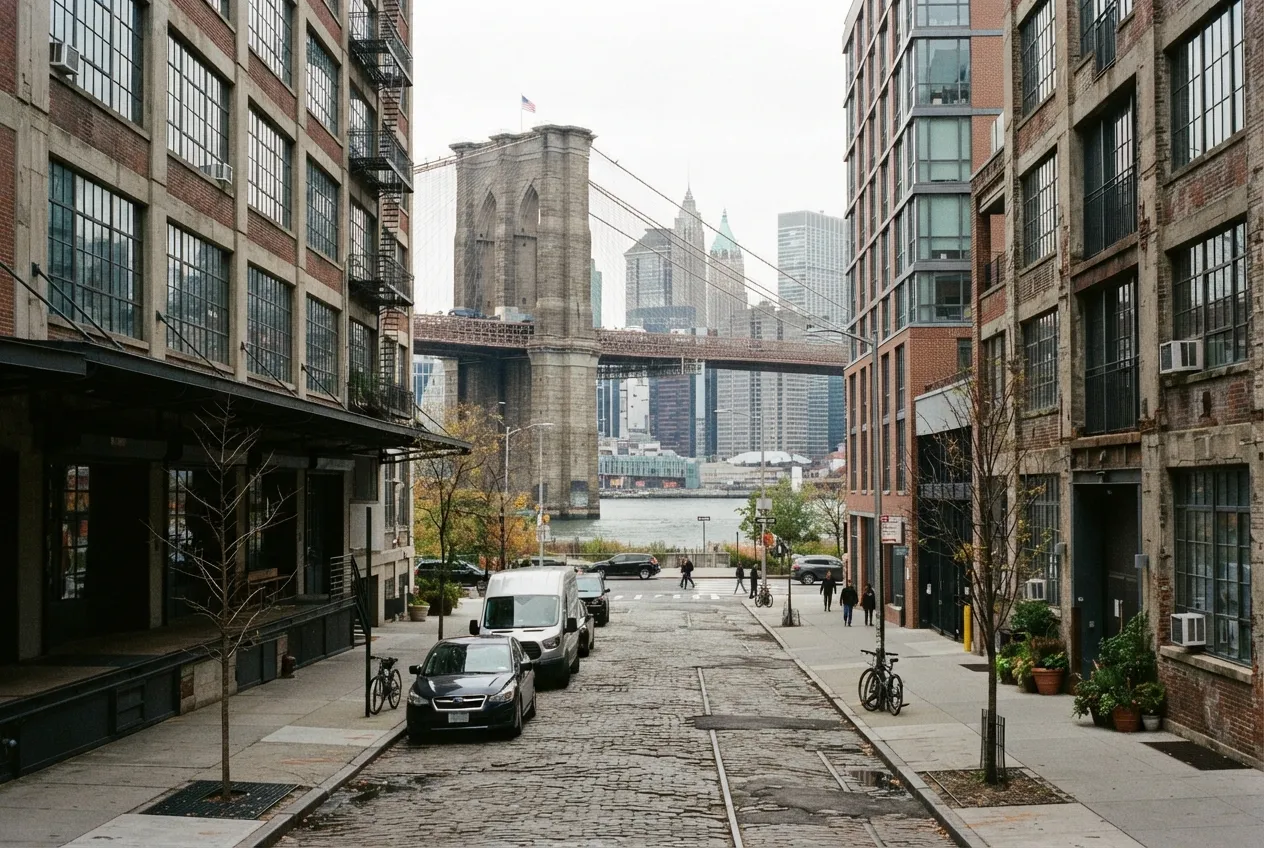
Chimneys in DUMBO's lofts, rowhouses and pre-war buildings
DUMBO's housing is a mix of converted industrial loft buildings, pre-war apartment buildings and a smaller number of rowhouses. Many of these chimneys were built long before the appliances they now serve. A flue that once carried coal or oil exhaust may now vent a gas boiler, and a fireplace that sat unused for years may be put back into service after a renovation.
Older masonry can hide problems you cannot see from inside the room: cracked flue tiles, eroded mortar joints, debris from a deteriorated section, or nests at the top of the flue. An inspection looks for these before they let smoke, heat or carbon monoxide escape where they should not.
Which inspection level fits your home
The NFPA 211 standard calls for chimneys, fireplaces and vents to be inspected once a year. Chimney professionals use three levels of inspection, and the right one depends on what has changed in your home.
If you are buying or selling a condo or rowhouse in DUMBO, ask about a Level 2 inspection early so any findings can be addressed before closing.
- Level 1: for a system that has not changed and is used the same way as before. We check the accessible parts of the chimney, firebox, damper and connections for soundness, blockages and buildup.
- Level 2: when the system changes, such as a new appliance or a switch from one fuel to another, or when the home is being sold. This adds a closer look at the flue interior, typically with a camera, along with accessible areas such as attics and the roof.
- Level 3: when a hidden hazard is suspected and the only way to reach it is to open part of the chimney or the building. We recommend this only when earlier findings point to it.
Boiler conversions from oil to gas
When a New York City building converts its boiler from oil to gas, the chimney has to be evaluated as part of the work. A new liner is often needed, because gas exhaust produces acidic condensate that can corrode a masonry flue over time.
If your building is planning a conversion, or finished one without anyone looking closely at the chimney, an inspection tells you whether the existing flue is suitable and what liner work, if any, is needed. We explain findings in plain terms so owners and co-op or condo boards can plan the next step.
Book before the heat season starts
New York City's heat season runs from October 1 through May 31, and building owners must keep apartments heated to the city's minimum temperatures during that period. A boiler that cannot vent safely is not something you want to discover in the middle of winter.
Late summer and early fall are good times to schedule, because that leaves room to make repairs before the heating system runs every day. If you mainly use a fireplace in the colder months, the same timing applies. If the season has already started, it is still worth booking rather than waiting until spring.
What happens during your inspection
A technician protects the floor around the fireplace or appliance, then works through the system from the firebox or appliance connection up to the top of the chimney. Depending on the level and on access, that includes:
Afterward you get a written summary of what we found, with photos where they help, and clear notes on what needs attention now versus what can be monitored. We also inspect chimneys in nearby Downtown Brooklyn, Brooklyn Heights, Boerum Hill, Fort Greene and Clinton Hill.
- Firebox, smoke chamber and damper condition
- Flue liner, checked for cracks, gaps, creosote and obstructions
- Connector pipes from boilers, furnaces and water heaters
- Crown, cap, flashing and exterior masonry where accessible
- Clearances between the chimney and nearby wood framing or other combustibles
More services in DUMBO
- Chimney Sweep in DUMBO
- Chimney Repair in DUMBO
- Air Duct Cleaning in DUMBO
- Chimney Liner Installation in DUMBO