
The short answer
Chimneys in Brooklyn Heights should be inspected once a year, as the NFPA 211 standard calls for, whether you burn wood or only vent a gas boiler. A more detailed inspection makes sense when you change heating equipment or fuel, or when you buy or sell a home. EliteFlue's certified technicians are based about a mile away in Fort Greene.
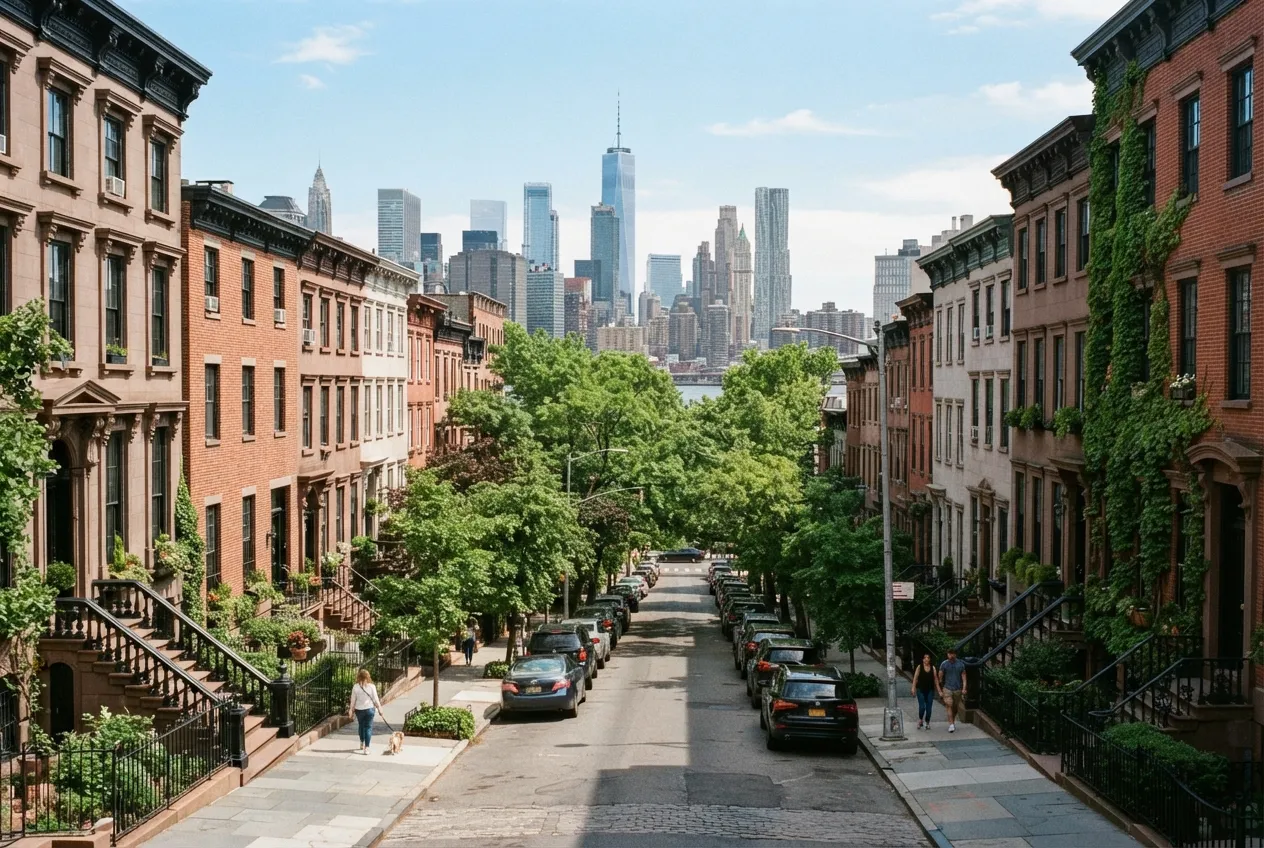
Many homes in Brooklyn Heights were built long before modern heating equipment, and their chimneys have outlasted several boilers, fireplaces and renovations. A chimney inspection shows you the actual condition of the flue, liner, masonry and connections before you light a fire or turn up the heat. EliteFlue Chimney Services is based in Fort Greene, about a mile southeast of Brooklyn Heights. That means our certified technicians can reach brownstones, rowhouses and pre-war apartment buildings in the neighborhood without a long trip across the borough.
Why Brooklyn Heights Chimneys Need a Yearly Look
Older brownstones and rowhouses often have several flues running through the same chimney stack. Some serve fireplaces that haven't been used in decades, and others vent a boiler or water heater. Over time, mortar joints wear, clay tiles crack, and debris or nesting material collects at the top. Most of this can't be seen from inside the living room.
The NFPA 211 standard calls for chimneys, fireplaces and vents to be inspected once a year. This applies whether you burn wood a few nights each winter or only run a gas boiler. In both cases the venting still has to carry exhaust safely out of the house.
Choosing the Right Inspection Level
Chimney professionals use three inspection levels. The right one depends on what has changed since the last inspection.
For buyers and sellers in Brooklyn Heights, a Level 2 inspection gives a clear picture of the chimney before closing. That is often more useful than the quick look a chimney gets during a general home inspection.
- Level 1: for a system that hasn't changed and is in regular use. We check the readily accessible parts of the chimney, firebox, damper and connections.
- Level 2: for when something changes, such as a new boiler or appliance or a switch of fuel, or when the home is being sold. This adds a camera inspection of the full flue and a check of accessible areas like attics and basements.
- Level 3: for when a hidden hazard can only be reached by opening part of the chimney or building. We recommend this only when earlier findings point to a problem that can't be confirmed any other way.
What Our Technicians Check
Each inspection is matched to the system in front of us. Most visits cover the following:
- The crown, cap and top of the chimney stack, where weather and water do the most damage
- Flue liner condition, including cracks, gaps, missing tiles or corrosion
- Creosote and soot buildup in wood-burning flues
- The damper, smoke chamber and firebox in fireplaces
- Connector pipes running from boilers and water heaters to the chimney
- Blockages such as debris, animal nests or fallen masonry
- Signs of water getting in on walls and ceilings near the chimney
Oil-to-Gas Conversions and Chimney Liners
Many pre-war buildings and older homes in the area once heated with oil. When a New York City building converts its boiler from oil to gas, the chimney has to be evaluated as part of the work. A new liner is often needed, because gas exhaust produces acidic condensate that can corrode a masonry flue over time.
You may be planning a conversion, or one may have been done before you bought the property. Either way, an inspection shows whether the existing flue suits the new equipment. We explain what we find so you and your heating contractor can plan the next step.
Scheduling Around Heat Season
New York City's heat season runs from October 1 through May 31. During that time, building owners must keep apartments heated to the city's minimum temperatures. For owners of multi-unit brownstones and apartment buildings, a chimney problem found in January can mean a difficult repair while tenants still need heat.
Late summer and early fall are good times for an inspection, before the boiler runs full time and before the first fire of the season. If you notice a smoky smell, poor draft or water stains at any time of year, don't wait for the next annual visit. Reach out and we'll take a look.
Serving Brooklyn Heights and Nearby Neighborhoods
From our base in Fort Greene, we also inspect chimneys in Downtown Brooklyn, DUMBO, Boerum Hill and Carroll Gardens. After each visit, we walk you through what we saw and share photos or camera footage where it helps. You also get a written summary of our findings and any recommended repairs.
Our goal is to help you understand your chimney, not to sell you work you don't need. If everything looks good, we'll tell you so.
More services in Brooklyn Heights
- Chimney Sweep in Brooklyn Heights
- Chimney Repair in Brooklyn Heights
- Air Duct Cleaning in Brooklyn Heights
- Chimney Liner Installation in Brooklyn Heights