
The short answer
If your Brooklyn Heights chimney has a cracked or missing flue liner, or your building is switching its boiler from oil to gas, you likely need a new liner sized to the appliance it serves. Our certified technicians inspect the flue first, then recommend and install the liner type that fits your chimney and heating equipment.
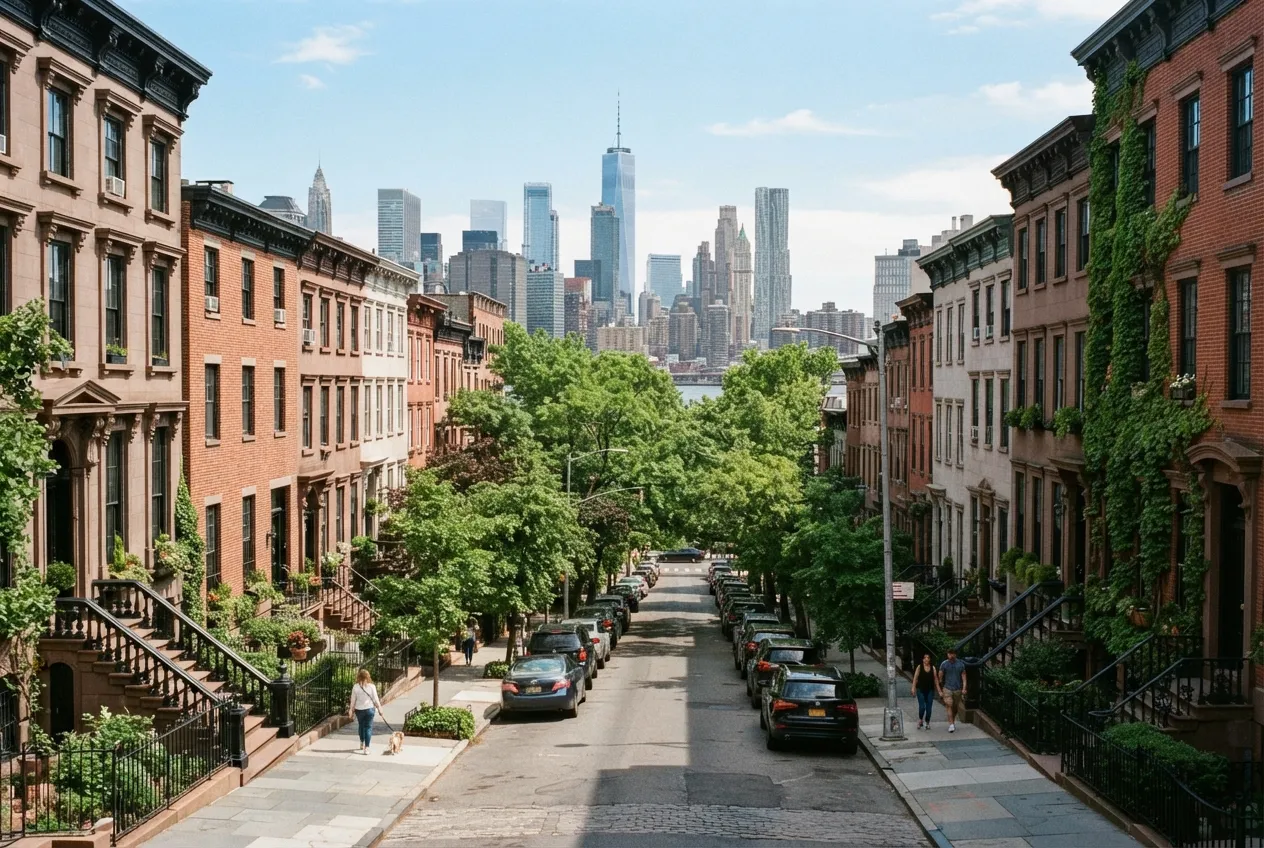
Many homes in Brooklyn Heights are brownstones, rowhouses and pre-war apartment buildings with masonry chimneys that were built long before today's boilers, water heaters and wood stoves. Over decades, original clay tile flues crack, mortar joints wear away, and some chimneys were never lined at all. A sound liner keeps hot exhaust and combustion gases inside the flue and away from the brick, wood framing and living space around it. EliteFlue Chimney Services installs chimney liners for homes and buildings in Brooklyn Heights, about a mile northwest of our office in Fort Greene.
Why Older Brooklyn Heights Chimneys Need Liners
Masonry chimneys in older brownstones and rowhouses often share walls with neighbors and run through several floors of living space. When the flue lining is damaged, heat and exhaust can reach the surrounding masonry and framing, and gases can find their way into rooms or the house next door.
A liner also helps the chimney draft properly. A flue that is too large, too small or rough inside can let exhaust linger and cool, which leads to creosote buildup in wood-burning fireplaces and condensation in flues that vent gas or oil appliances.
- Cracked, shifted or missing clay flue tiles
- Crumbling mortar or debris falling into the firebox or boiler base
- Water stains or damp brick on interior walls near the chimney
- Poor draft, smoke rollout or exhaust odors indoors
- A new boiler, water heater or stove connected to an old flue
Oil-to-Gas Conversions and Your Chimney
Many Brooklyn Heights buildings are converting boilers from oil to gas. When a New York City building makes this switch, the chimney has to be evaluated as part of the work, and a new liner is often needed. Gas exhaust produces acidic condensate that can corrode a masonry flue that was built for oil.
We work with building owners and their heating contractors to inspect the existing flue and install a liner sized for the new appliance, so the conversion can move forward without leaving the chimney as an open question.
Liner Options We Install
The right liner depends on the appliance, the fuel, the size and shape of the flue, and the condition of the masonry. After inspecting the chimney, we explain which option fits and why.
- Stainless steel liners: a common choice for gas and oil boilers, water heaters and wood stoves, and well suited to tall or offset flues in rowhouses
- Insulated stainless steel systems: help keep flue gases warm for better draft and less condensation
- Cast-in-place liners: a poured lining that can also add strength to deteriorating masonry
- Clay tile replacement: an option in some chimneys where the structure allows it
How Installation Works
We start with an inspection. The NFPA 211 standard describes three inspection levels, and a Level 2 inspection is the one used when the system changes, such as a new appliance or a switch of fuel. It typically includes a camera scan of the inside of the flue so we can see damage that is not visible from the roof or firebox.
Next we measure the flue and match the liner size to the appliance's venting needs. The chimney is cleaned, the liner is lowered from the roof and connected at the base, and the top is finished with a proper cap. We protect floors and furnishings inside the home and keep you informed at each step.
Planning Around Heat Season
New York City's heat season runs from October 1 through May 31, when building owners must keep apartments heated to the city's minimum temperatures. For buildings that rely on one boiler, liner work is easiest to schedule in the warmer months, before heat is required.
If a liner problem turns up during heat season, we discuss timing with you so the work can be planned with as little disruption to tenants as possible. We also serve nearby Downtown Brooklyn, DUMBO, Boerum Hill, Fort Greene and Carroll Gardens.
More services in Brooklyn Heights
- Chimney Sweep in Brooklyn Heights
- Chimney Inspection in Brooklyn Heights
- Chimney Repair in Brooklyn Heights
- Air Duct Cleaning in Brooklyn Heights