
The short answer
Cobble Hill homeowners should have their chimneys inspected once a year, as the NFPA 211 standard calls for. Most homes need a routine Level 1 inspection. A new appliance, a fuel switch, or a home sale calls for a more detailed Level 2 inspection.
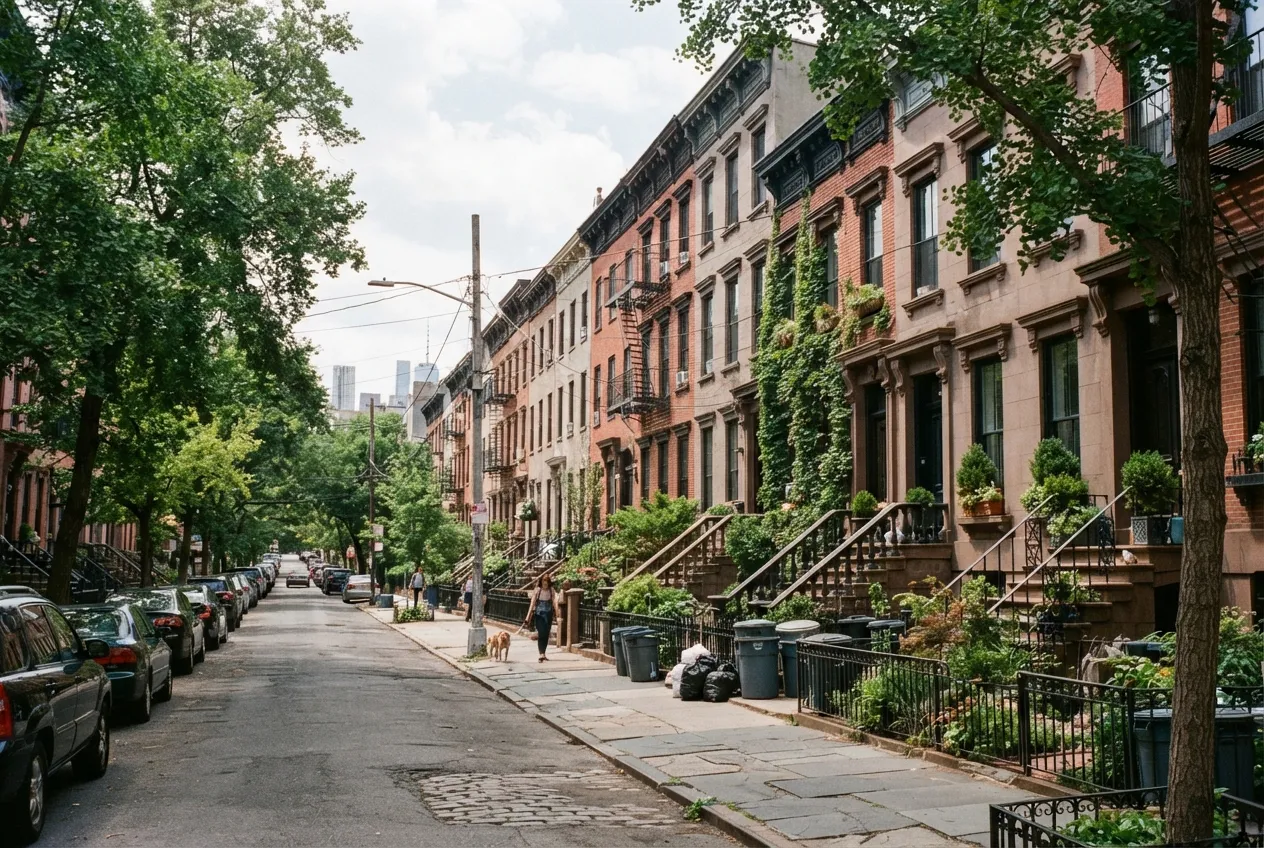
Many homes in Cobble Hill were built with masonry chimneys that serve fireplaces, boilers, or both. In brownstones, rowhouses, and pre-war apartment buildings, these flues often run through shared walls. Over the years they have been through freeze-thaw cycles, repointing, and changes in heating equipment. A chimney inspection tells you what condition your flue is actually in before you light a fire or start the heating season. EliteFlue Chimney Services is based in Fort Greene, about a mile east of Cobble Hill, so reaching homes in ZIP code 11231 is a short trip for our technicians.
Why Cobble Hill Chimneys Need a Yearly Look
The NFPA 211 standard calls for chimneys, fireplaces, and vents to be inspected once a year. This applies whether you burn wood every weekend or only use the fireplace a few times a winter. It matters even more if your boiler or water heater vents through the chimney, because that equipment runs day and night through the colder months.
Older masonry in attached homes can hide problems you won't see from the hearth. These include cracked or missing flue tiles, worn mortar joints, gaps where the chimney meets the roof, and debris or animal nests near the top. Rowhouse chimneys often sit close to a neighbor's, so damage at the crown or flashing can let water into the walls on both sides.
Which Inspection Level You Need
Chimney professionals use three levels of inspection. We'll recommend the one that fits your situation and explain why.
- Level 1: For a system that hasn't changed since its last inspection. The technician checks the readily accessible parts of the chimney, the fireplace or appliance connection, and looks for blockages and combustible deposits.
- Level 2: For when something changes, such as a new boiler or stove or a switch from one fuel to another, or when the home is being sold. It goes further than Level 1 and usually includes a video scan of the flue's interior.
- Level 3: For when a hidden hazard has to be reached by opening part of the chimney or the building. It is only recommended when an earlier inspection points to a problem that can't be confirmed any other way.
Oil-to-Gas Conversions in Older Brooklyn Buildings
Many brownstones and pre-war buildings in this part of Brooklyn were heated with oil for decades. When a New York City building converts its boiler from oil to gas, the chimney has to be evaluated as part of the work.
A new liner is often needed. Gas exhaust produces acidic condensate, and over time that moisture can corrode a masonry flue. Our inspection checks the flue's size, its condition, and any existing liner. That way you and your heating contractor know what the conversion will require before work begins.
Timing Your Inspection Around Heat Season
New York City's heat season runs from October 1 through May 31. During that time, building owners must keep apartments heated to the city's minimum temperatures. If you own a multi-unit building in Cobble Hill, a boiler that can't vent safely in mid-winter quickly becomes an urgent problem for you and your tenants.
Scheduling your inspection in late summer or early fall leaves time to make any repairs before the boiler is running every day. If you mostly use your fireplace in winter, the same timing works for that flue too.
What Happens During Your Visit
During a visit, a certified technician will:
- Cover the hearth area and nearby floors before starting
- Examine the firebox, damper, smoke chamber, and flue
- Check the crown, cap, flashing, and exterior masonry where they can be reached
- Look at how your boiler or water heater connects to the chimney
- Note any creosote buildup, blockages, water damage, or cracked liner sections
What You Get Afterward
When the inspection is done, you'll get a plain-language explanation of what we found, with photos where possible. We'll clearly separate anything that needs attention now from items you can plan for later. Beyond Cobble Hill, we also inspect chimneys for homeowners in Carroll Gardens, Gowanus, Red Hook, Park Slope, and Brooklyn Heights.
More services in Cobble Hill
- Chimney Sweep in Cobble Hill
- Chimney Repair in Cobble Hill
- Air Duct Cleaning in Cobble Hill
- Chimney Liner Installation in Cobble Hill