
The short answer
EliteFlue's certified technicians sweep chimneys in Cobble Hill, Brooklyn (11231), from our Fort Greene office about a mile away. A sweep removes soot and creosote and includes a check of the flue, damper, crown and cap. The NFPA 211 standard calls for an inspection once a year.
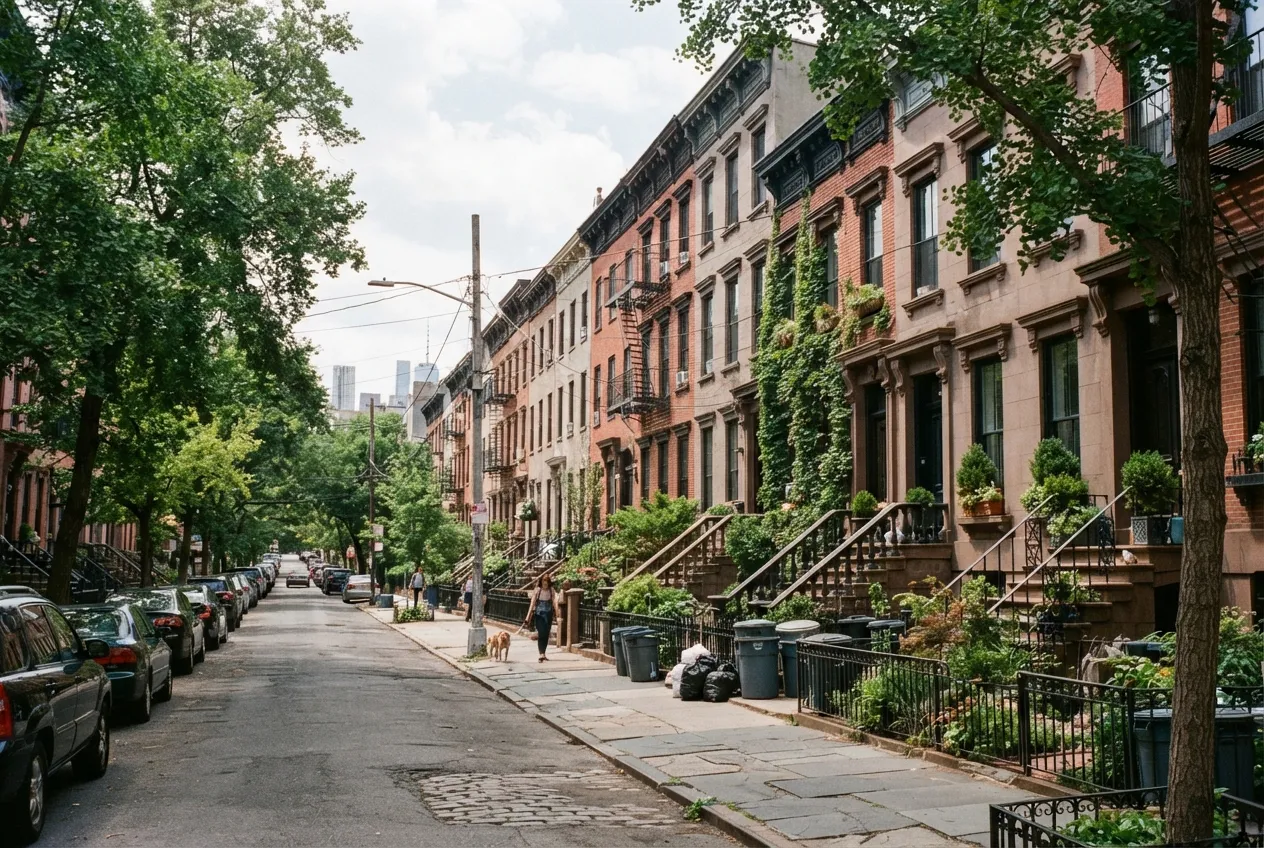
Cobble Hill's brownstones and rowhouses were built when fireplaces heated most rooms, and many still have several flues running up a single masonry stack. EliteFlue Chimney Services sweeps chimneys in Cobble Hill (ZIP 11231) from our office in Fort Greene, about a mile away. You might burn wood a few nights each winter, run a gas fireplace, or share a boiler flue in a pre-war apartment building. In each case, a sweep removes the soot and creosote that build up inside the chimney. It also gives our certified technicians a clear look at the condition of the flue.
What a chimney sweep includes in a Cobble Hill home
A sweep is more than running a brush up the flue. Before we start, we lay drop cloths and set up a filtered vacuum to keep soot inside the firebox and off your floors and furniture. Then we work through the system from the firebox to the top of the chimney.
If the sweep turns up glazed creosote that brushing will not remove, we tell you what we found and explain your options.
- Brush the flue to remove soot, creosote and loose debris, using rods and brushes sized to the flue
- Clean the smoke chamber, smoke shelf and damper area, where buildup tends to collect
- Check that the damper opens, closes and seals properly
- Look for nests, fallen brick or mortar, and other blockages
- Check the visible flue liner, firebox, crown and cap for cracks or gaps
- Walk you through what we found, with photos when they help
Brownstones, rowhouses and shared walls
Many Cobble Hill homes are older brownstones and rowhouses with a fireplace on more than one floor. Each fireplace usually has its own flue, and those flues are often grouped in one stack along a wall shared with the house next door. Because of that layout, a cracked flue tile or a failing mortar joint can let smoke or fumes travel where you would not expect, including into a neighboring home.
Older masonry chimneys in the neighborhood may be unlined, lined with clay tile, or relined with metal at some point. Some fireplaces were sealed or made decorative long ago. Before we sweep, we confirm which flue serves which fireplace and whether each one is meant to be used. If you are thinking about reopening a fireplace that has sat unused, start with a sweep and inspection.
How often to schedule a sweep
The NFPA 211 standard calls for chimneys, fireplaces and vents to be inspected once a year. We recommend pairing that inspection with a sweep whenever there is buildup to remove. How much buildup you get depends on how often you burn, what you burn and how well the fire drafts. Dry, seasoned hardwood leaves less creosote than damp wood or slow, smoldering fires.
Chimney professionals use three levels of inspection. Level 1 is the standard check when nothing has changed. Level 2 applies when the system changes, such as a new appliance or a switch of fuel, or when the home is sold. Level 3 is needed only when a hidden hazard has to be reached by opening part of the chimney or building.
Many homeowners book in late summer or early fall so the chimney is ready before the cold arrives. Spring also works well, because it clears out a winter's worth of soot before humid summer air can make fireplace odors stronger.
Boiler flues and oil-to-gas conversions
Pre-war apartment buildings and many brownstones vent a boiler or water heater through a masonry chimney. New York City's heat season runs from October 1 through May 31, and during those months building owners must keep apartments heated to the city's minimum temperatures. A blocked or damaged flue during heat season is a serious problem. Sweeping and inspecting the boiler flue before October leaves time to fix anything we find.
If your building is converting its boiler from oil to gas, the chimney has to be evaluated as part of the work. Gas exhaust produces acidic condensate that can corrode a masonry flue, so a new liner is often needed. We can sweep out the oil soot and give you a clear picture of the flue's condition before the conversion goes ahead.
Serving Cobble Hill and nearby Brooklyn neighborhoods
Our Fort Greene office is about a mile from Cobble Hill, so visits in 11231 are easy to schedule. We also sweep chimneys in Carroll Gardens, Gowanus, Red Hook, Park Slope and Brooklyn Heights, where many homes have similar older masonry chimneys. To prepare for your visit, let the fireplace cool for at least a day and clear the area in front of the hearth. Tell us about any smells, smoke problems or drafts you have noticed.
More services in Cobble Hill
- Chimney Inspection in Cobble Hill
- Chimney Repair in Cobble Hill
- Air Duct Cleaning in Cobble Hill
- Chimney Liner Installation in Cobble Hill