The short answer
Every chimney in Fort Greene should be inspected once a year, as the NFPA 211 standard calls for. A routine Level 1 inspection covers most homes. A Level 2 is the right choice after a boiler conversion, a new appliance or a home sale.
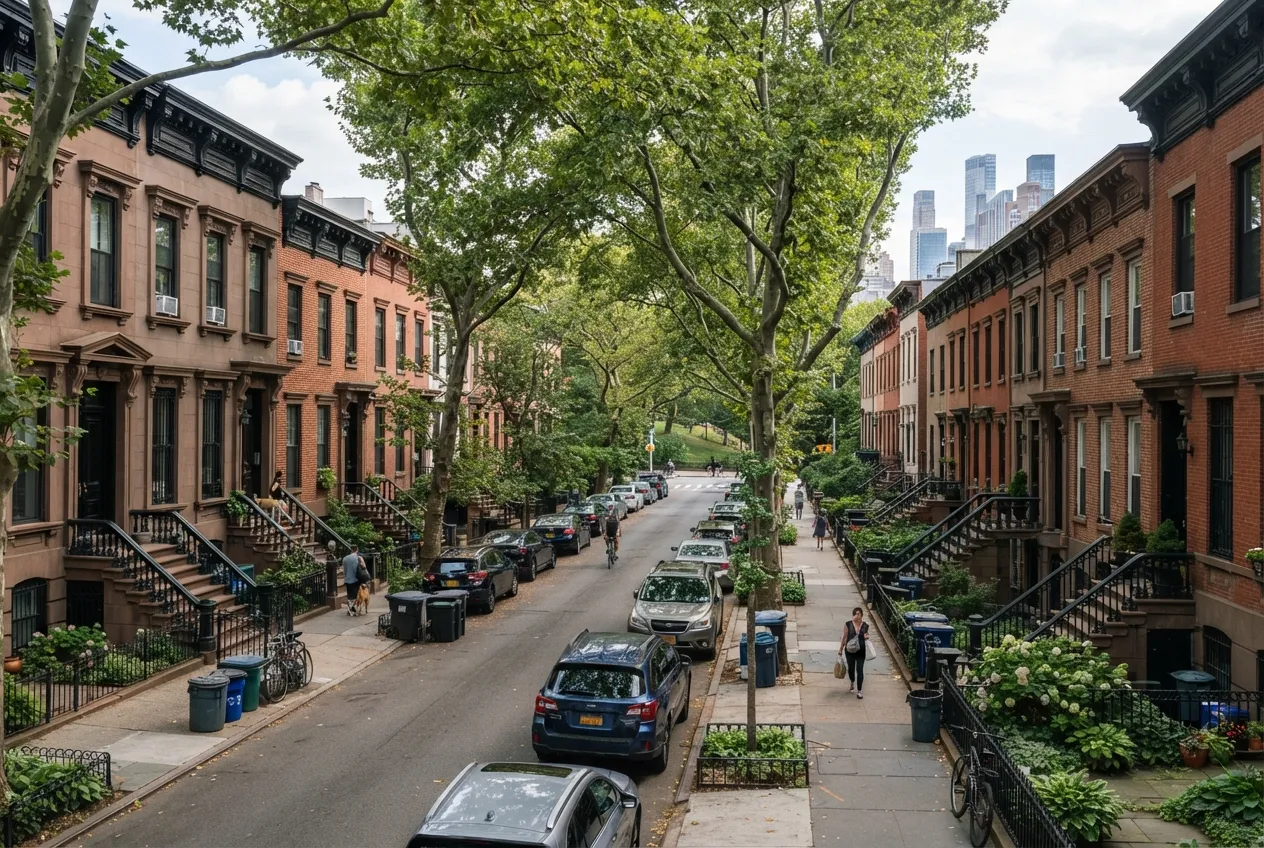
Fort Greene's brownstones, rowhouses and pre-war apartment buildings were built when chimneys did steady daily work, and many still vent fireplaces, boilers or water heaters today. EliteFlue Chimney Services is based in Fort Greene, so our certified technicians can reach homes in the 11205 ZIP code without a long trip across the borough. A chimney inspection tells you the condition of your flue, liner, masonry and connections before you light a fire or run your heat for the season. This page explains what we check, which inspection level fits your situation, and when to schedule.
Why Fort Greene Chimneys Need a Yearly Look
The NFPA 211 standard calls for chimneys, fireplaces and vents to be inspected once a year. That matters in a neighborhood like Fort Greene, where many chimneys are older masonry that has weathered decades of freeze-thaw cycles, heating seasons and changes made by previous owners.
In rowhouses and brownstones, chimneys often run through shared walls, and one stack may contain several flues serving different floors or units. A fireplace that has sat unused for years may have a damaged damper, a blocked flue or debris from nesting animals. A flue that vents a boiler can deteriorate quietly from the inside. Homeowners often can't see any of this from the room, which is why a yearly inspection is worth scheduling even when nothing seems wrong.
Choosing the Right Inspection Level
Chimney professionals use three inspection levels. We will recommend the one that matches what has happened with your home and heating system since the last inspection.
- Level 1: for chimneys where nothing has changed. We check the readily accessible parts of the chimney, the appliance connection and the fireplace, and look for blockages and buildup.
- Level 2: needed when the system changes, such as a new boiler or water heater, or a switch from oil to gas. It is also needed when a home is sold. This level includes a closer look at the flue interior, the attic and the roof-level parts of the chimney.
- Level 3: used when a hidden hazard is suspected and the only way to reach it is to open part of the chimney or the building, such as a wall or chase.
What We Check During an Inspection
Our technicians look at the full venting system, not just the firebox. In older Brooklyn homes, problems tend to show up at the joints and transitions, so we pay close attention there.
- Flue liner condition, including cracks, gaps, missing sections and signs of corrosion
- Creosote and soot buildup in wood-burning fireplaces
- Blockages from debris, fallen masonry or animal nests
- Damper operation and the condition of the smoke chamber
- Connector pipes from boilers and water heaters, and how they enter the chimney
- Crown, cap and exterior masonry at the roofline, where weather damage often starts
- Signs of water entry, such as staining, efflorescence or spalling brick
Boiler Conversions and Liners
Many Fort Greene buildings have moved, or are planning to move, from oil heat to gas. When a New York City building converts its boiler from oil to gas, the chimney has to be evaluated as part of the work. A new liner is often needed, because gas exhaust produces acidic condensate that can corrode a masonry flue.
If you are planning a conversion, schedule the chimney inspection early so the liner question is answered before the new boiler is installed. If a conversion was done in the past and you are not sure the chimney was addressed, a Level 2 inspection will show the current condition of the flue.
Timing Your Inspection Around Heat Season
New York City's heat season runs from October 1 through May 31. During that period, building owners must keep apartments heated to the city's minimum temperatures. For owners of multi-unit brownstones and small apartment buildings, a chimney problem found in January can mean a difficult repair while tenants depend on the heat.
The most practical time to inspect is late summer or early fall, before the boiler runs full time. That leaves room to schedule cleaning, liner work or masonry repairs without pressure. Homeowners who use a fireplace should also book before their first fire of the season.
Serving Fort Greene and Nearby Neighborhoods
Because our office is in Fort Greene, homes here are close by for us. We also inspect chimneys in the surrounding neighborhoods, including Clinton Hill, Downtown Brooklyn, DUMBO, Boerum Hill and Prospect Heights, where the housing ranges from historic rowhouses to pre-war apartment buildings with similar chimney concerns.
More services in Fort Greene
- Chimney Sweep in Fort Greene
- Chimney Repair in Fort Greene
- Air Duct Cleaning in Fort Greene
- Chimney Liner Installation in Fort Greene