
The short answer
EliteFlue Chimney Services repairs masonry chimneys in Fort Greene, Brooklyn, including mortar, brick, crowns, caps, flashing and flue liners. Every repair starts with an inspection so you know what is actually wrong. When possible, plan larger work outside the October-through-May heat season.
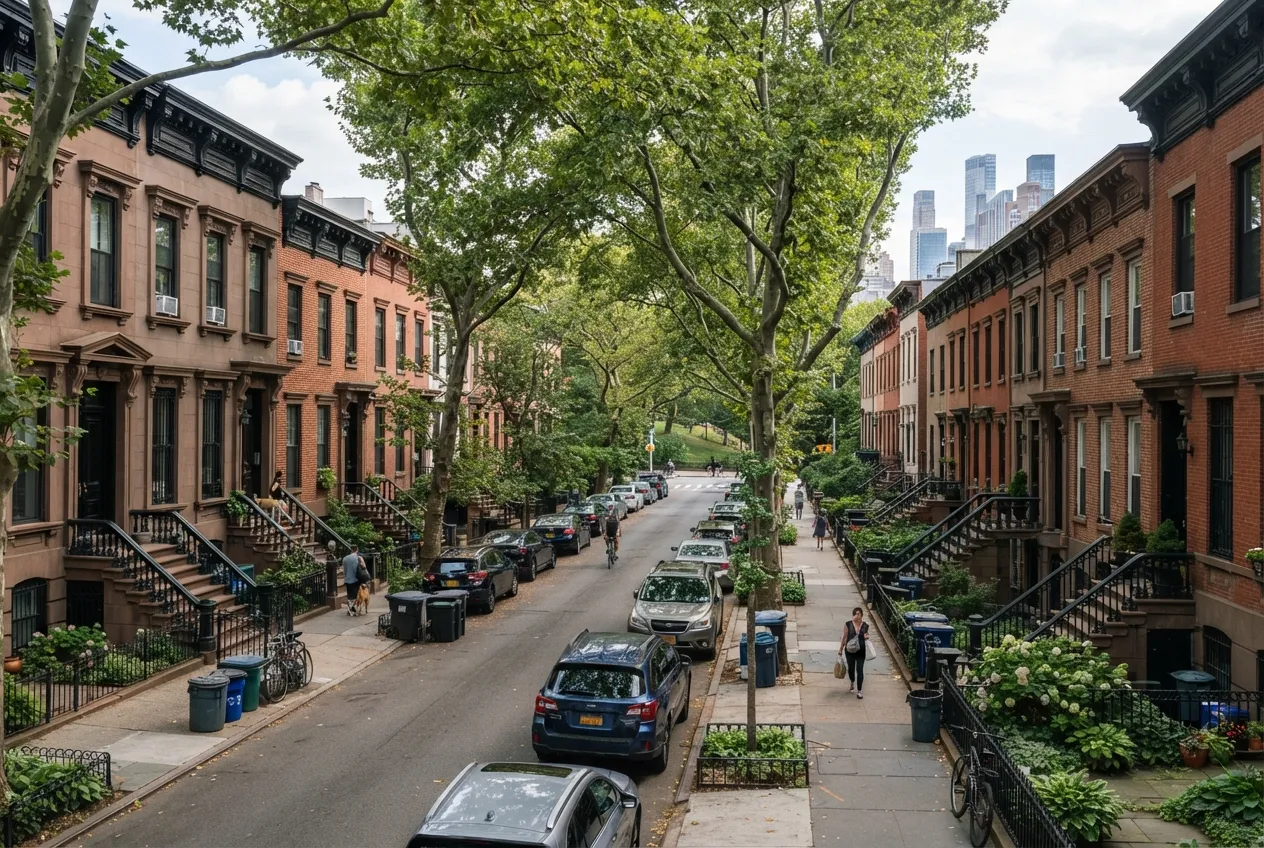
Most homes in Fort Greene are brownstones, rowhouses and pre-war apartment buildings, and most of them have brick chimneys that have been through many New York winters. Freeze-thaw cycles, changes in heating fuel and settling between attached houses all wear down brick, mortar and flue liners. EliteFlue Chimney Services repairs chimneys throughout Fort Greene and the 11205 ZIP code from our office here in the neighborhood. Our certified technicians start with an inspection, explain what they find in plain terms, and recommend only the repairs your chimney needs.
What Wears Out on Fort Greene Chimneys
Most chimneys in the neighborhood are brick. Many are built into party walls or rise from flat roofs that sit right next to a neighbor's roof. Water causes most of the damage. Once water gets into brick and mortar, each freeze widens small gaps. The damage often shows up inside the house, as stains or peeling paint, before anyone checks the roof. These are the repairs we handle most often:
- Crumbling or missing mortar joints, repaired by repointing
- Spalling brick, where the face of the brick flakes or pops off
- Cracked or worn crowns that let rain run into the masonry
- Loose, rusted or missing chimney caps
- Failed flashing where the chimney meets the roof, a common cause of ceiling and wall stains
- Cracked, shifted or gapped clay flue tiles
- Stuck, rusted or warped dampers in older fireplaces
Flue Liner Repair and Oil-to-Gas Conversions
The flue liner protects the surrounding masonry, and the rest of the house, from heat and exhaust. In older buildings, clay tile liners can crack, shift or lose mortar at the joints, and some older chimneys were never lined at all. A damaged liner can let heat or exhaust reach parts of the building it shouldn't.
Many Brooklyn buildings have switched from oil heat to gas. When a New York City building converts its boiler from oil to gas, the chimney has to be evaluated as part of the work. A new liner is often needed, because gas exhaust produces acidic condensate that can corrode a masonry flue. If you are planning a conversion, or have already made one and never had the chimney checked, we can evaluate it. If a liner is needed, we install one sized for the new appliance.
Inspection First: How We Decide What to Fix
We don't quote repairs from the sidewalk. The NFPA 211 standard calls for chimneys, fireplaces and vents to be inspected once a year, and chimney professionals use three inspection levels. Level 1 is for a chimney where nothing has changed. Level 2 applies when the system changes, such as a new appliance or a switch of fuel, or when the home is sold. Level 3 is for cases where a hidden hazard can only be reached by opening part of the chimney or building.
After the inspection, we walk you through what we found. We separate urgent problems from items you can plan for later, so you can make decisions with clear information.
Timing Repairs Around Heat Season
New York City's heat season runs from October 1 through May 31. During that time, building owners must keep apartments heated to the city's minimum temperatures. If your building's boiler vents through a chimney that needs major work, it is much harder to take the heating system offline in January than in July.
If you own a multi-family brownstone or pre-war building, late spring and summer are the practical window for liner replacement and major masonry work. Smaller repairs, such as a new cap or a flashing fix, can usually be done any time the weather allows. If you notice a problem in winter, call us anyway. We can assess it and help you decide whether it needs attention now or can wait.
Working on Attached Rowhouses
Fort Greene's rowhouses sit side by side, and chimneys often share walls or roof lines with the houses next door. That changes how we work. Roof access may be through a hatch or bulkhead. We contain debris so it doesn't land on a neighbor's roof or garden. And a leak on your side can sometimes come from a shared chimney stack. We look at the whole stack, not just the flue you use, and we'll tell you if a problem appears to start on an adjoining property.
Serving Fort Greene and Nearby Neighborhoods
Our office is in Fort Greene, so repair work here is close to home for us. We also repair chimneys in Clinton Hill, Downtown Brooklyn, DUMBO, Boerum Hill and Prospect Heights. Homes there are similar: brownstones, rowhouses and older apartment buildings with masonry chimneys that need the same careful attention.
More services in Fort Greene
- Chimney Sweep in Fort Greene
- Chimney Inspection in Fort Greene
- Air Duct Cleaning in Fort Greene
- Chimney Liner Installation in Fort Greene