
The short answer
Park Slope homes need air duct cleaning when there is substantial visible mold, signs of vermin, or excessive dust and debris, which is common after renovation work in older brownstones and rowhouses. EliteFlue inspects first, cleans with HEPA-filtered negative-pressure equipment suited to your type of ductwork, and tells you plainly if cleaning isn't needed.
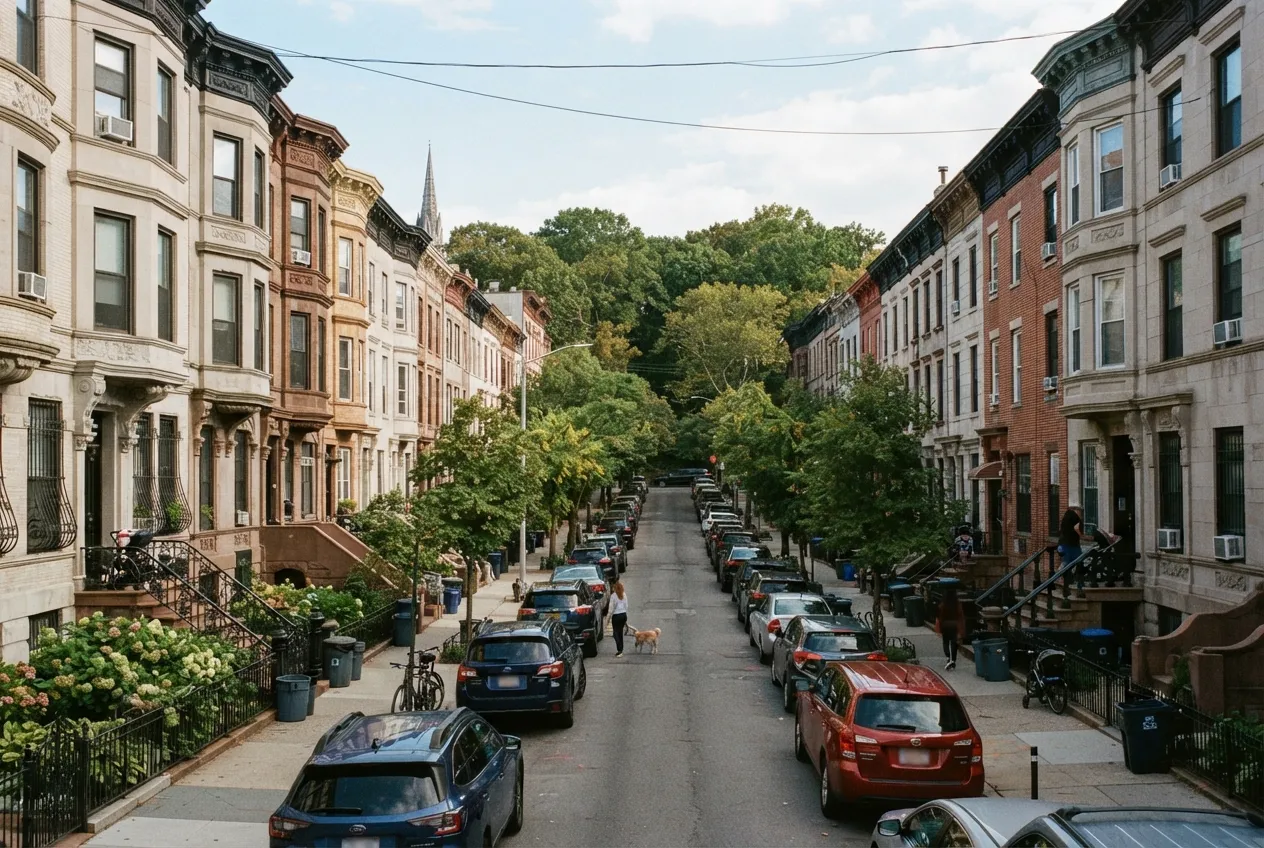
Many Park Slope homes were built long before forced-air heating and cooling existed. Brownstones and rowhouses here were usually heated by radiators, and ductwork came later, added during renovations for central air, a new furnace, or a conversion back to a single-family layout. That history shapes how ducts get dirty and how they should be cleaned. EliteFlue's certified technicians come from our Fort Greene base, about a mile north, to clean residential duct systems throughout the 11217 ZIP code. We also look honestly at whether your ducts need cleaning at all.
What Duct Systems Look Like in Park Slope Homes
In a typical brownstone or rowhouse, ducts have to be fitted into whatever space the original building allowed. That can mean closets, dropped soffits, the gaps between floor joists, or a shallow attic space under the roof. Some homes have high-velocity systems with small flexible supply tubes. Others have conventional sheet metal trunk lines running from an air handler in the basement or on the roof. In renovated units in pre-war apartment buildings, you may find a ducted mini-split or a single air handler serving one apartment.
Each setup collects dirt differently and needs a different approach. Flexible duct can tear if it is handled with aggressive tools. Long horizontal runs between floors tend to hold onto construction dust. Return grilles set low on the wall pick up pet hair and floor debris faster than supply registers do.
When Cleaning Makes Sense, and When It Doesn't
The U.S. EPA advises cleaning air ducts in three situations. We use the same standard when we look at your system. These are the conditions we check for:
- Substantial mold growth you can see on duct surfaces, on the coil, or inside the air handler
- Signs of mice, insects or other vermin, including droppings, nesting material or odors coming from registers
- Excessive dust and debris, such as dust puffing out of registers when the system starts or building up on grilles soon after you wipe them
- Plaster, drywall or sawdust left in the ductwork after renovation work, which is common in older homes that have been opened up
What We Won't Promise
The EPA also notes that duct cleaning has not been shown to prevent health problems, so we won't tell you it will cure allergies or illness. If your ducts look reasonably clean during the inspection, we'll say so and show you what we saw.
The EPA warns homeowners to research the process before responding to very cheap advertised duct cleaning offers. It also advises care with chemical treatments. We don't push sanitizers or coatings. If a treatment ever seems worth discussing, we explain what it is and why we're suggesting it, and the decision is yours.
How We Clean Ducts in a Park Slope Home
We start by protecting floors, stair runners and banisters. Brownstone staircases are narrow, and equipment hoses have to travel up them carefully. Next we inspect with a camera at the registers and the air handler so you can see the condition of the ducts before any work begins.
To clean, we seal the registers and connect HEPA-filtered vacuum equipment to put the system under negative pressure. Then we loosen debris with brushes or air whips chosen for your type of duct, with gentler tools for flexible runs. We clean the supply and return grilles and the accessible parts of the blower compartment. Afterward we show you the results. If we find a disconnected flex run, a crushed section in a tight joist bay, or gaps that pull in dust from wall cavities, we point it out so it can be fixed.
Timing Around the Heat Season
New York City's heat season runs from October 1 through May 31. If a ducted furnace or air handler heats your home, the easiest time to schedule cleaning is late summer, before October, or right after the season ends. That way the system isn't shut down when you depend on it for heat. If your ducts serve only central air, spring is a practical time, before the cooling season starts. In apartment buildings, it can help to coordinate with the building's own maintenance schedule.
Dryer Vents and Nearby Neighborhoods
According to the U.S. Fire Administration, failure to clean is the leading factor contributing to clothes dryer fires in homes. In Park Slope, laundry is often tucked into a closet, a basement or a renovated hallway, and the vent may run a long way before it reaches the outside. We can clean the dryer vent during the same visit as your ducts.
Beyond Park Slope, we clean air ducts in Prospect Heights, Carroll Gardens, Cobble Hill, Gowanus and Red Hook.
More services in Park Slope
- Chimney Sweep in Park Slope
- Chimney Inspection in Park Slope
- Chimney Repair in Park Slope
- Chimney Liner Installation in Park Slope