
The short answer
Chimneys in Red Hook should be inspected once a year, as the NFPA 211 standard calls for, including flues that only serve a boiler or water heater. A Level 1 inspection covers routine use. A Level 2 inspection is used for home sales, new appliances or an oil-to-gas conversion.
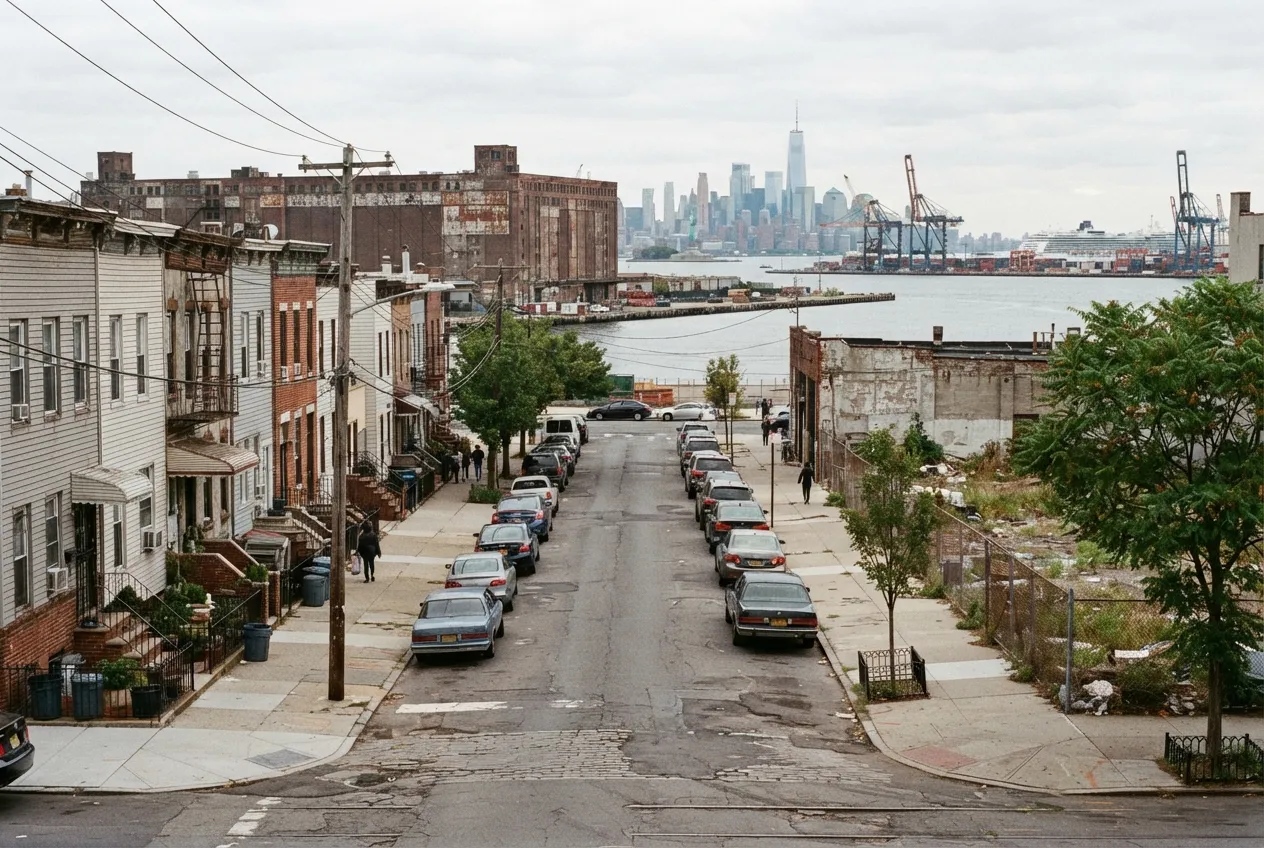
Red Hook homes rely on chimneys that do real work. Many of the neighborhood's rowhouses and small multi-family buildings still vent a boiler or water heater through an older masonry flue, and some also have a working fireplace. EliteFlue Chimney Services inspects chimneys throughout Red Hook (ZIP 11231) from our office in Fort Greene, about a mile away. Our certified technicians examine the whole venting system, from the appliance connection to the top of the chimney. You get a clear account of what we found and what, if anything, needs attention.
Why a Yearly Inspection Matters for Red Hook Homes
The NFPA 211 standard calls for chimneys, fireplaces and vents to be inspected once a year. That applies even if you rarely light the fireplace. The flue that serves your boiler or water heater is part of the same system, and it often does most of the work.
New York City's heat season runs from October 1 through May 31. During those months, building owners must keep apartments heated to the city's minimum temperatures. For a Red Hook owner with tenants, a blocked or deteriorated flue in the middle of winter is a serious problem. An inspection in late summer or early fall leaves time to handle repairs before the boiler starts running every day.
Choosing the Right Inspection Level
Chimney professionals use three levels of inspection. The right one depends on what has changed in your system since it was last checked, not on the age of the house.
If you are buying or selling a home in Red Hook, a Level 2 inspection gives everyone a clear picture of the chimney before closing.
- Level 1: For a chimney in regular use that has not changed. We examine the readily accessible parts of the chimney, the appliance connection and the fireplace.
- Level 2: Used when the system changes, such as a new boiler, a new stove or insert, or a switch from oil to gas, and when a home is sold. It typically includes a camera scan of the flue interior and a look at accessible areas such as the attic and roof.
- Level 3: Used when a hidden hazard has to be reached by opening part of the chimney or the building, such as a section of masonry or wall.
Converting From Oil to Gas
Many older Brooklyn buildings were built around oil-fired boilers, and a lot of owners are now switching to gas. When a New York City building converts its boiler from oil to gas, the chimney has to be evaluated as part of the work.
The reason is the exhaust itself. Gas exhaust produces acidic condensate that can corrode a masonry flue from the inside, so a new liner is often needed. We inspect the existing flue, note its size and condition, and tell you plainly whether a liner is likely to be needed. That way your heating contractor can plan the conversion with accurate information.
What We Check in Older Red Hook Chimneys
Red Hook's housing is mostly older rowhouses, small walk-up buildings and some pre-war apartment buildings. Many have brick chimneys that have gone through decades of freeze-thaw cycles and repairs of mixed quality. Our inspection covers:
After the inspection, we explain what we saw and show you photos where they help. If everything is in good shape, we say so. If repairs are needed, we explain what they are and why they matter, with no pressure to book them on the spot.
- Chimney crown, cap and roof flashing
- Exterior brick and mortar joints
- Flue liner condition, including cracks, gaps or missing sections
- Soot and creosote buildup
- Blockages from nests, fallen masonry or debris
- Boiler and water heater connector pipes and how they meet the chimney
- Firebox, damper and smoke chamber on fireplaces
- Visible clearances between the chimney and nearby wood framing
Serving Red Hook and Nearby Neighborhoods
Red Hook is a short trip from our Fort Greene office. We also inspect chimneys in nearby Carroll Gardens, Cobble Hill, Gowanus, Park Slope and Brooklyn Heights. The brownstones, rowhouses and older apartment buildings in those neighborhoods raise many of the same questions about aging flues and fuel conversions.
More services in Red Hook
- Chimney Sweep in Red Hook
- Chimney Repair in Red Hook
- Air Duct Cleaning in Red Hook
- Chimney Liner Installation in Red Hook