
The short answer
Red Hook homes often need a new chimney liner when the original clay tile is cracked, when a boiler converts from oil to gas, or when a new appliance is connected. EliteFlue inspects the flue first, then installs a liner sized to the appliance it serves.
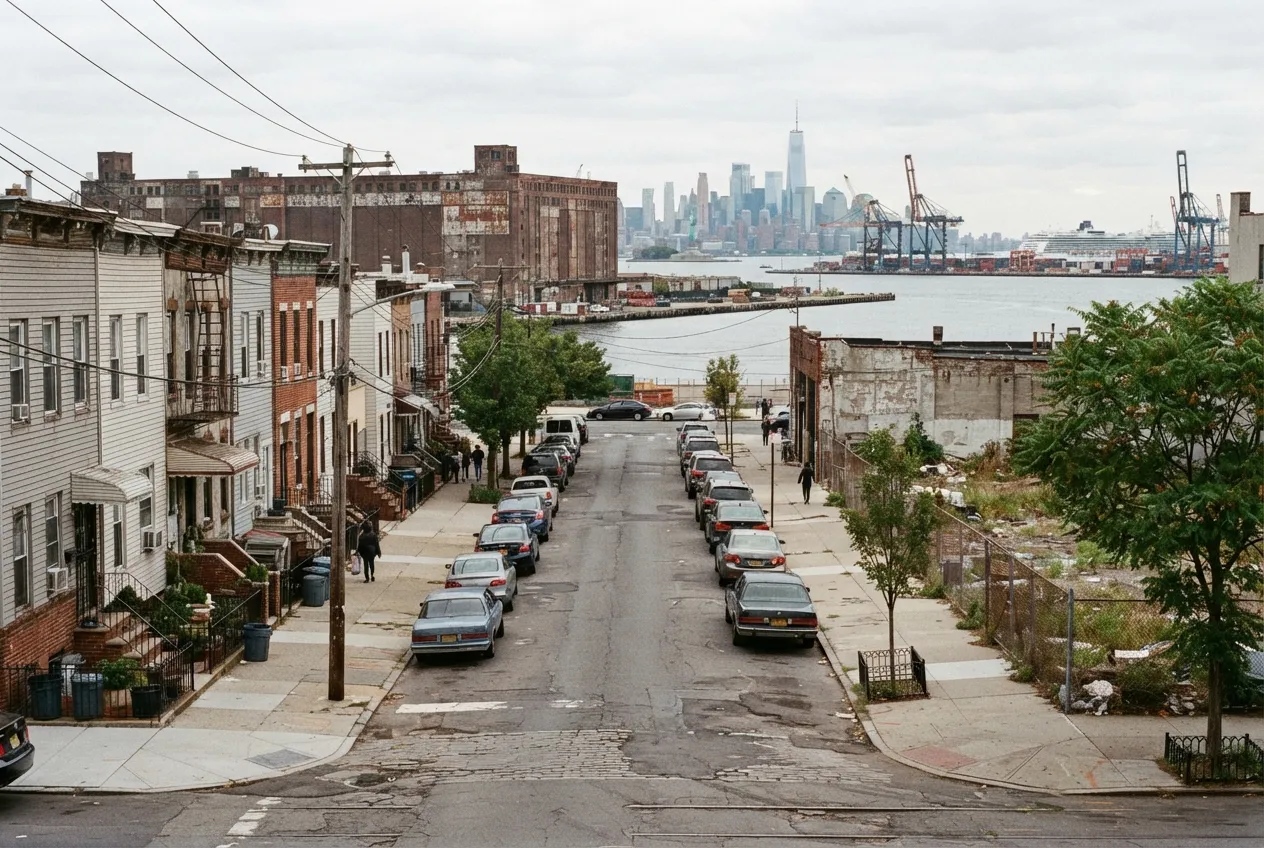
A chimney liner is the protective channel inside a flue that carries smoke and exhaust gases up and out of your home. In Red Hook, many chimneys sit in older rowhouses and pre-war apartment buildings, and their original liners are often cracked, deteriorated, or missing entirely. EliteFlue Chimney Services installs new liners for homes and buildings throughout Red Hook (ZIP 11231), about a mile west of our Fort Greene office. Our certified technicians start by inspecting the existing flue. Then we size a liner to the appliance or fireplace it serves and install it so exhaust leaves the building safely.
Why Older Red Hook Chimneys Often Need a New Liner
Much of Red Hook's housing stock is older masonry: rowhouses, small multifamily buildings, and pre-war apartment buildings with brick chimneys. Some of these chimneys were built with clay tile liners. Others were built with no liner at all. Over decades, heat cycles, moisture, and acidic exhaust wear down the mortar joints and tiles. That leaves gaps where exhaust, heat, or carbon monoxide can reach the brick and the living space around it.
A damaged liner is not always visible from the firebox or the roof. It usually shows up during a camera inspection of the flue. Signs that call for a closer look include flaking tile pieces at the base of the chimney, white staining or damp patches on walls next to the chimney, and drafting problems with a boiler or fireplace.
Oil-to-Gas Boiler Conversions
When a New York City building converts its boiler from oil to gas, the chimney has to be evaluated as part of the work. A new liner is often needed. Gas exhaust produces acidic condensate, and that condensate can corrode a masonry flue that was built for oil.
If your Red Hook building is planning a conversion, bring us in early. We can inspect the existing flue, tell you whether it can serve the new equipment, and install a properly sized liner. That way the chimney is ready when the new boiler goes in.
Liner Options We Install
The right liner depends on the fuel, the appliance, and the shape and condition of the flue. After the inspection, we explain which option fits your chimney and why.
- Stainless steel liners: a common choice for gas and oil boilers and water heaters, and for many wood-burning fireplaces and inserts.
- Insulated stainless liners: help keep flue gases warm so they draft well and form less condensation, which matters in exterior chimneys.
- Cast-in-place liners: a poured, mortar-like lining that can seal and strengthen a deteriorated masonry flue.
- Liners for inserts and stoves: sized to connect a wood or gas insert to the full height of the chimney.
How a Liner Installation Works
Every job starts with an inspection. The NFPA 211 standard calls for chimneys, fireplaces, and vents to be inspected once a year. It sets a Level 2 inspection when a system changes, such as a new appliance or a switch of fuel. That is exactly the situation when a liner goes in, so we look at the full length of the flue before recommending anything.
Next, we clean the flue and remove loose or broken tile where needed. We measure the appliance connection so the liner is sized correctly. In attached rowhouses and multifamily buildings, we plan roof access and protect interior finishes and shared spaces before work begins. The liner is then lowered or poured into place and connected at the appliance. We cap it at the top and check that the system drafts properly. When we finish, we walk you through what we did and show you photos of the flue.
Timing Your Liner Work Around Heat Season
New York City's heat season runs from October 1 through May 31. During those months, building owners must keep apartments heated to the city's minimum temperatures. A boiler with a failing flue can mean an unplanned shutdown in the middle of winter. For owners of Red Hook multifamily buildings, late spring and summer are usually the easiest times to schedule liner work and conversions. If a problem turns up during the cold months, we work to restore safe operation as quickly as conditions allow.
Serving Red Hook and Nearby Neighborhoods
Because our office is in Fort Greene, Red Hook is close to home for our crews. We also install chimney liners in nearby Carroll Gardens, Cobble Hill, Gowanus, Park Slope, and Brooklyn Heights. We work on brownstones, rowhouses, detached homes, and pre-war apartment buildings across the area.
More services in Red Hook
- Chimney Sweep in Red Hook
- Chimney Inspection in Red Hook
- Chimney Repair in Red Hook
- Air Duct Cleaning in Red Hook