
The short answer
Yes, a chimney in Clinton Hill should be inspected once a year, as the NFPA 211 standard recommends, and more thoroughly when you change appliances or fuel, or buy or sell the home. EliteFlue's certified technicians inspect chimneys in brownstones, rowhouses and apartment buildings and explain the findings in plain terms.
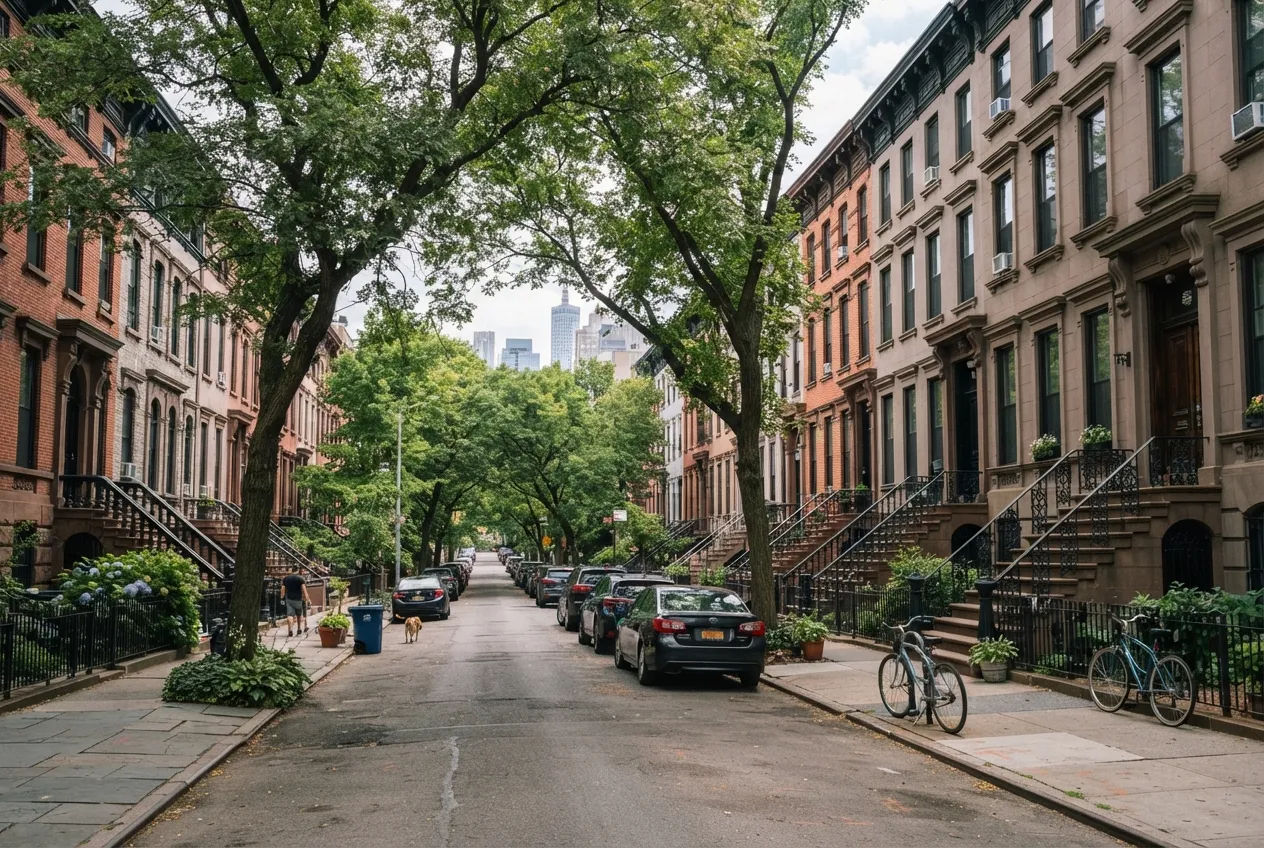
Clinton Hill's brownstones, rowhouses, pre-war apartment buildings and older detached homes were built around masonry chimneys that have served decades of fireplaces, boilers and water heaters. A chimney inspection tells you whether your flue is still safe to use, whether it suits the appliance connected to it, and what needs attention before the next cold snap. EliteFlue is based in Fort Greene, about a mile from Clinton Hill, so our certified technicians can reach homes in the neighborhood easily and spend their time on the chimney itself.
Why yearly inspections matter for older Brooklyn chimneys
The NFPA 211 standard calls for chimneys, fireplaces and vents to be inspected once a year. That matters in a neighborhood like Clinton Hill, where many chimneys are original masonry. Over time, mortar joints wear away, clay flue tiles crack, crowns weather, and flashing pulls loose. None of these problems is easy to spot from the living room.
In attached rowhouses and brownstones, chimneys often run inside shared walls. A cracked liner or a gap in the masonry can let heat, smoke or exhaust gases reach places they shouldn't, including spaces next door. An annual inspection catches these problems while they are still small and easier to fix.
Level 1, 2 or 3: which inspection your home needs
Chimney professionals use three inspection levels. We'll recommend the one that fits your situation, and we won't push a deeper inspection than you need.
- Level 1: For a chimney that's in regular use and nothing has changed. We check the accessible parts of the chimney, fireplace and connections for soundness, blockages and buildup.
- Level 2: For when the system changes, such as a new boiler or stove or a switch from oil to gas, or when the home is being sold. This includes a closer look at the flue interior, typically with a camera, plus attics, basements and other accessible areas the chimney passes through.
- Level 3: For when a hidden hazard has to be reached by opening part of the chimney or building. This is uncommon and usually follows a Level 2 finding that can't be confirmed any other way.
Converting a boiler from oil to gas
Many older Brooklyn buildings have moved, or are moving, from oil heat to gas. When a New York City building makes this conversion, the chimney has to be evaluated as part of the work. Gas exhaust produces acidic condensate that can corrode a masonry flue, so a new liner is often needed.
If you're planning a conversion, an inspection early in the process tells you and your contractor whether the existing flue can be used, or whether a properly sized liner should go into the schedule. That's better than finding out after the new equipment is in.
What we look at during an inspection
Every chimney is different, but a typical inspection in a Clinton Hill home covers the following:
- Crown, cap and exterior masonry, including loose or spalling brick
- Flashing where the chimney meets the roof, and signs of water getting inside
- Flue liner condition, cracks, gaps and whether the size suits the appliance
- Creosote and soot buildup, nests and other blockages
- Damper, firebox, smoke chamber and hearth on wood-burning fireplaces
- Connector pipes from boilers and water heaters, and how they join the flue
- Clearances between the chimney and nearby wood framing where it's accessible
Schedule around the heat season
New York City's heat season runs from October 1 through May 31. During that time, building owners must keep apartments heated to the city's minimum temperatures. If the chimney serving your boiler has a problem mid-winter, repairs can mean cold tenants or a cold house.
Late summer and early fall are the best times to book. You'll get the inspection done before the boiler runs daily and before fireplace season, with time to handle repairs or relining if needed. Owners of multi-unit buildings especially benefit from planning ahead.
Serving Clinton Hill and nearby neighborhoods
Along with Clinton Hill, we inspect chimneys in Fort Greene, Prospect Heights, Downtown Brooklyn, DUMBO and Boerum Hill. Whether you own a single brownstone, a rowhouse with a rental unit or a pre-war apartment building, we'll walk you through what we found, show you photos where they help, and tell you which repairs are urgent and which can wait.
More services in Clinton Hill
- Chimney Sweep in Clinton Hill
- Chimney Repair in Clinton Hill
- Air Duct Cleaning in Clinton Hill
- Chimney Liner Installation in Clinton Hill