
The short answer
Clinton Hill chimney repair usually means fixing water damage to older masonry: cracked crowns, failed flashing, eroded mortar, spalling brick and worn flue liners. EliteFlue Chimney Services inspects the chimney, explains which repairs are urgent, and completes the work from our nearby Fort Greene office. Buildings that switched from oil to gas heat often need a new liner as well.
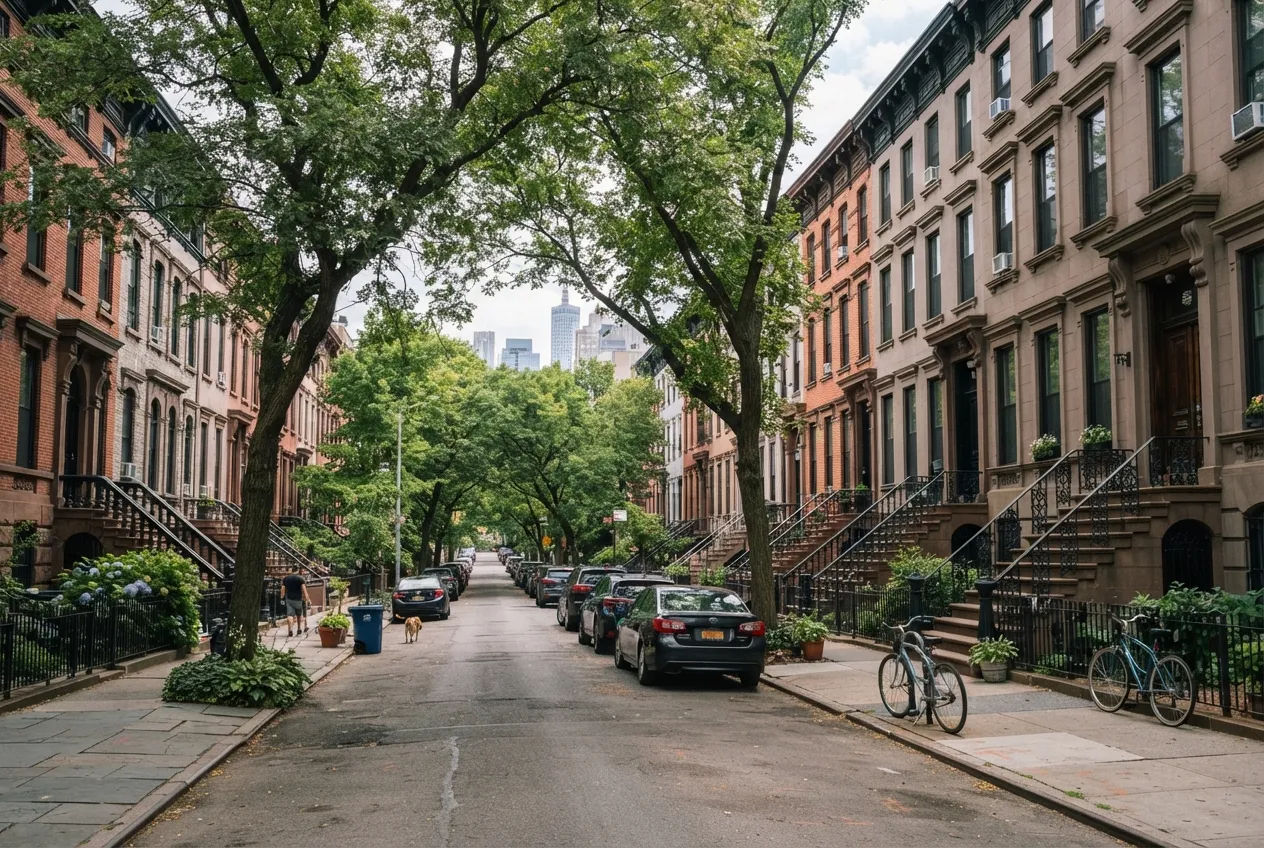
Most homes in Clinton Hill are older masonry: brownstones, brick rowhouses and pre-war apartment buildings, with some converted and newer buildings mixed in. Many of their chimneys have been through decades of Brooklyn winters, boiler changes and renovations, and the wear shows up as leaks, crumbling mortar and damaged flues. EliteFlue Chimney Services repairs chimneys throughout Clinton Hill from our office in Fort Greene, about a mile away. Our certified technicians find out what is actually wrong, explain it in plain terms, and make the repairs your fireplace or heating system needs to vent safely.
Chimney Problems We See in Clinton Hill Homes
Older masonry chimneys wear out in predictable ways, and water causes most of the damage. It soaks into brick and mortar, freezes in winter, and slowly pushes the masonry apart. On rowhouses and brownstones, chimneys often share walls and rooflines with the house next door, so a leak can show up some distance from where it starts.
These are the problems we find most often:
- Cracked or crumbling chimney crowns that let water into the flue
- Loose, missing or eroded mortar joints
- Spalling brick, where the face of the brick flakes or pops off
- Failed flashing where the chimney meets the roof, often causing ceiling or wall stains
- Missing or rusted chimney caps that let in rain, debris and animals
- Cracked or deteriorated clay flue tiles
- Damaged dampers and worn firebox brick in working fireplaces
What Chimney Repair Covers
Repairs range from small fixes to rebuilding sections of the chimney. On the outside, common work includes repointing mortar joints, rebuilding or resealing crowns, replacing damaged brick, installing new caps, and resealing or replacing flashing. Inside the chimney, we repair or replace flue liners, fix or replace dampers, and repair firebox brick and mortar.
Sometimes the problem is hidden behind a wall or inside the chimney structure. In that case, we explain what has to be opened up to reach it before any work starts. On attached homes, we also check how the chimney ties into shared walls and parapets. That affects both the repair and the path water may be taking into your home.
New Liners After an Oil-to-Gas Conversion
Many Clinton Hill buildings have switched their boilers from oil to gas. In New York City, the chimney has to be evaluated as part of that conversion, and a new liner is often needed. Gas exhaust produces acidic condensate, which can corrode a masonry flue over time. Warning signs include crumbling mortar or tile debris at the base of the chimney or at the cleanout door, and staining on interior walls next to the chimney.
If your building converted recently or plans to, we can inspect the existing flue and install a properly sized liner for the new appliance.
Planning Repairs Around Heat Season
New York City's heat season runs from October 1 through May 31. During those months, building owners must keep apartments heated to the city's minimum temperatures. If a chimney problem forces you to shut the boiler down in January, it becomes urgent fast. If you own a multi-unit building, schedule your inspection and repairs in late spring or summer so problems are fixed before the heat has to be on.
The NFPA 211 standard calls for chimneys, fireplaces and vents to be inspected once a year. A Level 1 inspection fits when nothing has changed. A Level 2 inspection is appropriate after a system change, such as a new appliance or a switch of fuel, or when the home is sold. A Level 3 inspection is used when a hidden hazard can only be reached by opening part of the chimney or building.
How a Repair Visit Works
We start by inspecting the chimney from the roof and, where it is accessible, from inside the home. A camera lets us check the condition of the flue along its full length. We then walk you through what we found, which repairs need attention now, and which can reasonably wait.
Once you approve the work, we schedule the repair, protect floors and furnishings near the fireplace or boiler room, and clean up when we finish. If you are coordinating with a building manager, co-op board or tenants, we can explain the scope of work so everyone knows what to expect.
Serving Clinton Hill and Nearby Neighborhoods
Our office is in Fort Greene, so Clinton Hill is close to home for our crews. We also repair chimneys in Fort Greene, Prospect Heights, Downtown Brooklyn, DUMBO and Boerum Hill. The housing in these neighborhoods is similar: brownstones, rowhouses and pre-war apartment buildings with masonry chimneys that need the same kind of careful repair.
More services in Clinton Hill
- Chimney Sweep in Clinton Hill
- Chimney Inspection in Clinton Hill
- Air Duct Cleaning in Clinton Hill
- Chimney Liner Installation in Clinton Hill