
The short answer
A Clinton Hill chimney usually needs a new liner when its clay tiles are cracked or missing, or when a new appliance or an oil-to-gas boiler conversion changes what the flue has to handle. EliteFlue inspects the flue and recommends a stainless steel, cast-in-place or clay tile option. We then install a liner sized to your appliance or fireplace.
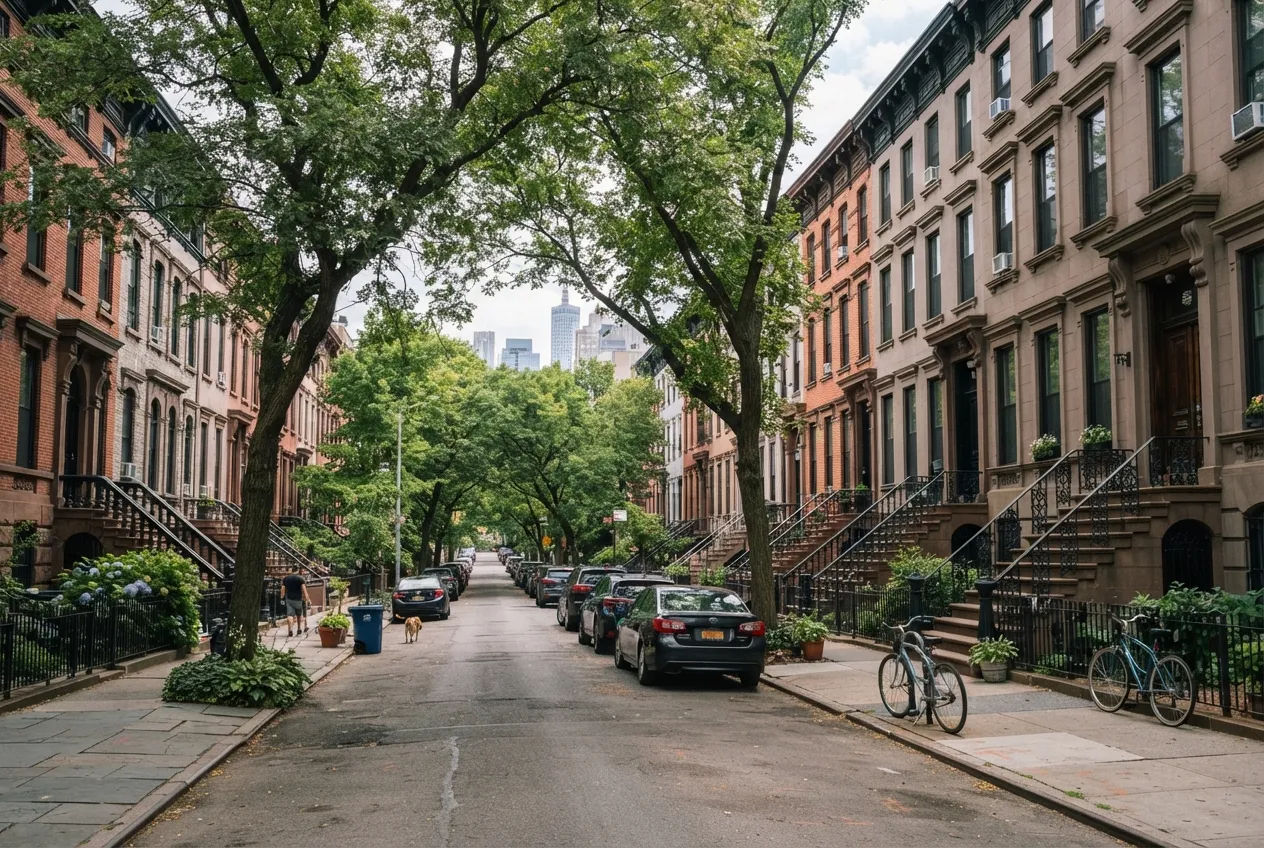
A chimney liner is the protective channel inside your flue. It carries smoke and exhaust gases out of the house and keeps heat and corrosive byproducts away from the surrounding brick and framing. Much of Clinton Hill's housing is brownstones, rowhouses and pre-war apartment buildings, and many of their chimneys are decades old. They were not designed for today's boilers, water heaters and high-efficiency appliances. EliteFlue Chimney Services installs new chimney liners for homes and buildings throughout the neighborhood, about a mile northeast of our Fort Greene office.
Why Older Clinton Hill Chimneys Often Need a New Liner
Masonry chimneys in older Brooklyn homes typically have clay tile liners, and some were built with no liner at all. Over time, clay tiles can crack from heat, settle out of alignment or lose the mortar between sections. Once that happens, exhaust and heat can reach the brick, and moisture can work its way into the masonry.
In attached rowhouses and brownstones, a damaged flue affects more than one fireplace or boiler. Gaps in a liner can let combustion gases, including carbon monoxide, move into places they shouldn't. Heat passing through a cracked flue can also reach nearby wood framing. A properly sized, intact liner keeps exhaust contained and moving up and out of the house.
Oil-to-Gas Conversions and Your Chimney
When a New York City building converts its boiler from oil to gas, the chimney has to be evaluated as part of the work. A new liner is often needed. Gas exhaust produces acidic condensate, and that condensate can corrode a masonry flue from the inside.
If your building is planning a conversion, we can coordinate with your heating contractor. That way the liner is sized to the new appliance and installed in step with the boiler work. Size matters. In a flue that is too large, exhaust can cool and condense. A flue that is too small may not vent properly.
Liner Options We Install
The right liner depends on what the flue serves, its shape and condition, and the path from the appliance to the top of the chimney. After inspecting your chimney, we'll explain which option fits and why.
- Stainless steel liners: a common choice for gas and oil boilers, water heaters and wood-burning fireplaces. Flexible versions can follow the bends and offsets found in many older chimneys.
- Cast-in-place liners: a mortar-like lining poured around a form inside the flue. It can also add strength to a deteriorated chimney.
- Clay tile relining: replacing damaged sections of a traditional clay liner, where the chimney's structure allows it.
What Liner Installation Looks Like
Most liner jobs follow the same basic steps. The details depend on the chimney and on whether we're working from the roof of a single-family rowhouse or a pre-war apartment building.
Simple installations can often be finished in a single visit. Chimneys with offsets, heavy damage or multiple flues may take longer. Our certified technicians cover work areas inside the home and clean up when the job is done.
- Inspecting the flue, often with a camera, to confirm its condition and dimensions
- Cleaning out soot, creosote and debris before work begins
- Sizing the liner to the appliance or fireplace it will serve
- Installing the liner from the top down and connecting it at the bottom
- Adding a top plate and cap to keep out rain and animals
- Checking draft and connections, then walking you through what was done
Planning Around Heat Season and Inspections
New York City's heat season runs from October 1 through May 31. During that period, building owners must keep apartments heated to the city's minimum temperatures. If you own a building with tenants, scheduling liner work before October helps you avoid interruptions in heat. So does planning carefully around boiler downtime.
The NFPA 211 standard calls for chimneys, fireplaces and vents to be inspected once a year. A Level 2 inspection is recommended when the system changes, such as a new appliance or a switch of fuel, or when a home is sold. Either situation is a good time to find out whether your liner needs replacement. Beyond Clinton Hill, we also serve Fort Greene, Prospect Heights, Downtown Brooklyn, DUMBO and Boerum Hill.
More services in Clinton Hill
- Chimney Sweep in Clinton Hill
- Chimney Inspection in Clinton Hill
- Chimney Repair in Clinton Hill
- Air Duct Cleaning in Clinton Hill