The short answer
Under the NFPA 211 standard, a chimney should be inspected once a year, and a Level 2 inspection is called for when you change appliances or fuel or sell the home. EliteFlue inspects chimneys across Prospect Heights, including the older brownstones and pre-war buildings common in the neighborhood.
Many Prospect Heights homes have a working fireplace, a chimney that vents a boiler or water heater, or both. Whether you own a brownstone, a rowhouse, or a unit in a pre-war apartment building, the chimney is usually older than any appliance connected to it, and most of it can't be seen from inside the house. EliteFlue Chimney Services inspects chimneys throughout Prospect Heights from our office in Fort Greene, about a mile northwest. Our certified technicians check the flue, liner, masonry, crown, cap and connections, then explain in plain terms what we found and what, if anything, needs attention.
Why Chimney Inspections Matter in Prospect Heights Homes
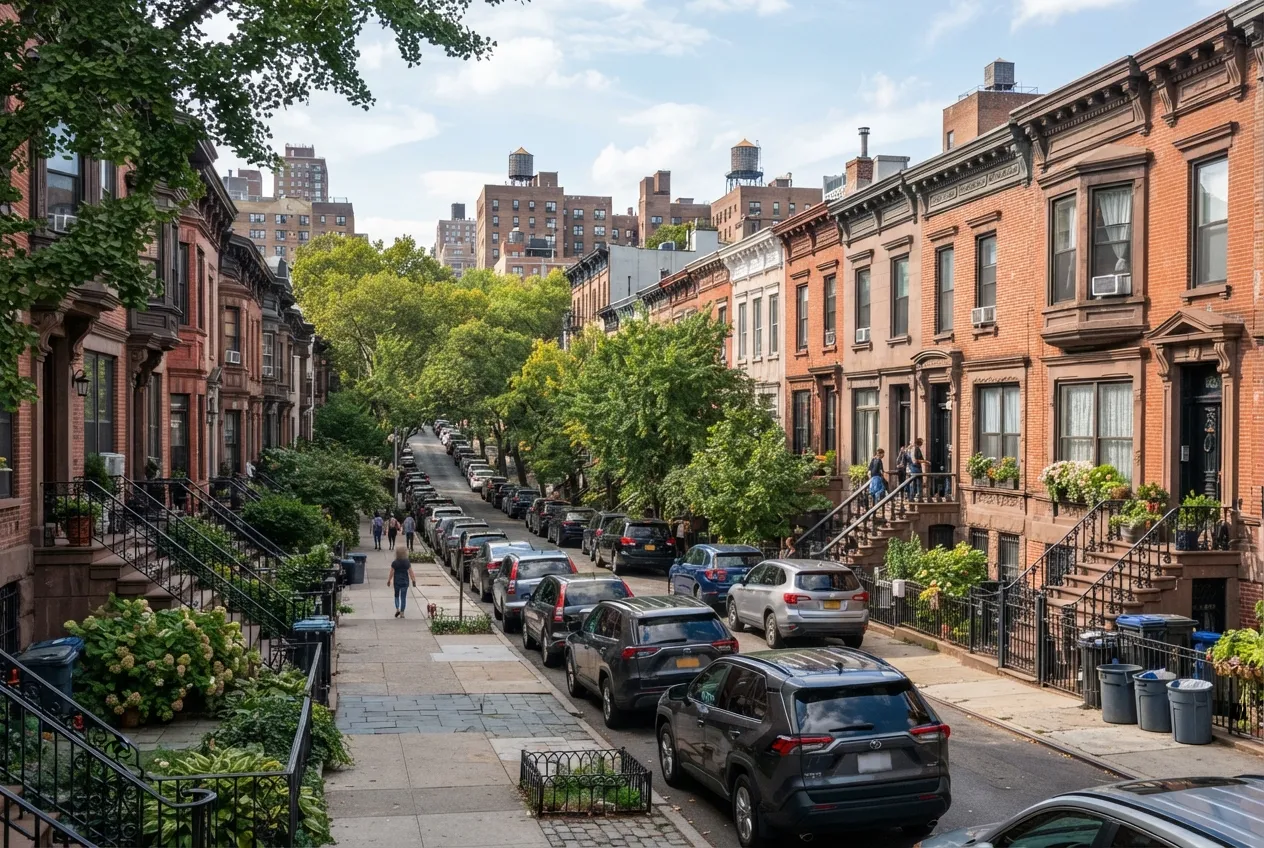
Much of the housing in Prospect Heights is older masonry construction: brownstones, brick rowhouses, and pre-war apartment buildings. Their chimneys were often built for coal or wood fires and later adapted for oil or gas heating. Each change puts different demands on the flue, and the problems that develop tend to stay hidden until someone looks inside.
Common issues in older Brooklyn chimneys include cracked or missing clay tiles, deteriorated mortar joints, crowns that let water into the masonry, unlined or partially lined flues, and debris or animal nests blocking airflow. Shared party walls in attached homes also mean a chimney defect can affect more than one household.
The Three Inspection Levels and When You Need Each
The NFPA 211 standard calls for chimneys, fireplaces and vents to be inspected once a year. Chimney professionals use three levels of inspection, and the right one depends on what has changed in your home.
- Level 1: For a system that is in regular use with no changes. We examine the accessible parts of the chimney, the appliance connection and the fireplace for soundness, blockages and buildup.
- Level 2: For when the system changes, such as a new boiler, a new fireplace insert, or a switch from oil to gas, or when the home is being sold. This includes a camera inspection of the flue's interior and a look at accessible areas like attics and basements.
- Level 3: For when a hidden hazard is suspected and the only way to reach it is to open part of the chimney or the surrounding structure. This is not routine, and we explain why before recommending it.
Oil-to-Gas Conversions and Chimney Liners
Many Prospect Heights buildings have switched or are planning to switch their heating from oil to gas. When a New York City building converts its boiler from oil to gas, the chimney has to be evaluated as part of the work. A new liner is often needed, because gas exhaust produces acidic condensate that can corrode a masonry flue that was fine for decades with oil.
If you are planning a conversion, we can inspect the chimney early so you know whether relining is likely before the project schedule is set. If your building has already converted and never had the chimney checked afterward, that is a good reason to schedule a Level 2 inspection.
Timing Your Inspection Around Heat Season
New York City's heat season runs from October 1 through May 31, when building owners must keep apartments heated to the city's minimum temperatures. For owners of multi-unit buildings, a chimney problem discovered in January can mean urgent repairs while tenants need heat.
Late spring and summer are practical times to inspect a heating chimney, since any repairs can be completed before the boiler is under steady demand. For wood-burning fireplaces, an inspection before your first fire of the season makes sense. If you are already in the middle of winter and notice smoke, odors or a draft problem, don't wait for the off-season.
What You Get From an EliteFlue Inspection
Our technicians work carefully in finished interiors, protecting floors and furnishings around the fireplace or appliance. After the inspection, we walk you through the findings, show you photos or camera footage where it helps, and separate what needs prompt attention from what can be monitored.
We also serve homeowners in nearby Park Slope, Clinton Hill, Fort Greene, Downtown Brooklyn and DUMBO, so we're familiar with the kinds of chimneys found in this part of Brooklyn.
More services in Prospect Heights
- Chimney Sweep in Prospect Heights
- Chimney Repair in Prospect Heights
- Air Duct Cleaning in Prospect Heights
- Chimney Liner Installation in Prospect Heights