
The short answer
Prospect Heights homes often need a new chimney liner when an old masonry flue has cracked or eroded, or when a boiler is converted from oil to gas. EliteFlue inspects the flue, sizes a liner to your appliance and fuel, and installs it from the roof down, typically using stainless steel.
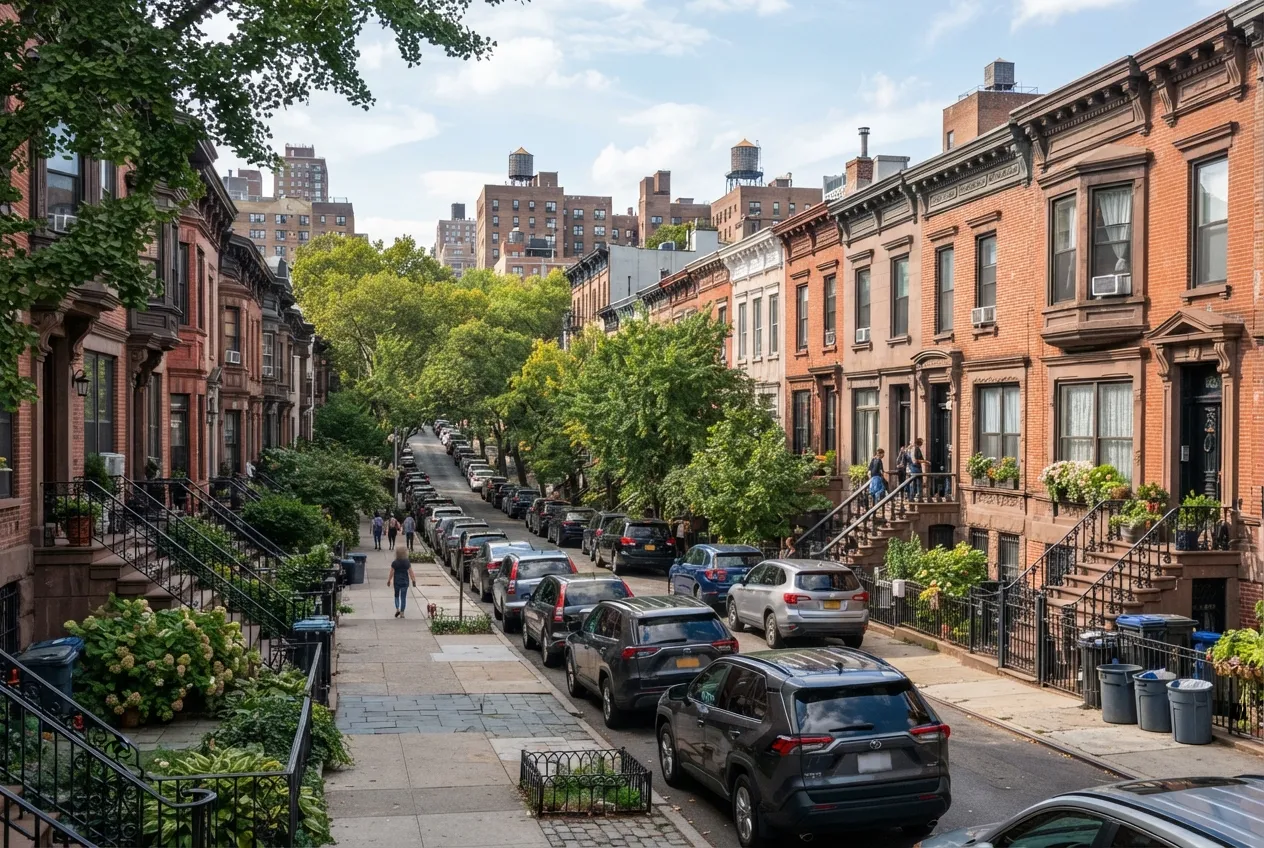
A chimney liner is the protective channel inside your flue that carries smoke and exhaust gases up and out of the house. In Prospect Heights, many brownstones, rowhouses and pre-war apartment buildings still rely on original masonry flues. These flues were built for coal or oil and have taken decades of heat, moisture and freeze-thaw cycles. EliteFlue Chimney Services installs chimney liners for homes and buildings throughout the neighborhood, working from our office in Fort Greene, about a mile away. Our certified technicians start with an inspection, explain what we find, and fit a liner sized to the appliance it serves.
Why Prospect Heights Chimneys Often Need Relining
Older masonry flues were often built with clay tile liners or with no liner at all. Over time, mortar joints erode, tiles crack, and gaps open between the flue and the surrounding brick. In attached rowhouses and brownstones, this damage matters even more than it does in a detached home. A damaged flue can let heat, smoke or exhaust gases reach framing, interior walls or a shared party wall.
A properly installed liner restores a sealed, continuous path for exhaust. It also protects the masonry from corrosive byproducts and helps the appliance draft the way it was designed to.
Oil-to-Gas Boiler Conversions and Your Flue
Many Prospect Heights buildings have switched or are planning to switch their heating boilers from oil to gas. In New York City, the chimney has to be evaluated as part of that conversion, and a new liner is often needed. Gas exhaust produces acidic condensate that can corrode an unprotected masonry flue, breaking down mortar and tile from the inside.
If you are planning a conversion, it helps to bring us in early. We can inspect the existing flue and tell you whether relining is likely. We can also size the liner to the new boiler or water heater so the chimney work fits into the overall project schedule.
Signs Your Chimney May Need a New Liner
The NFPA 211 standard calls for chimneys, fireplaces and vents to be inspected once a year. A more detailed Level 2 inspection is the appropriate step when a home is sold or when the system changes, such as a new appliance or a switch of fuel. That inspection typically includes a camera look inside the flue, and it is often where liner problems are found. Common warning signs include:
- Cracked, shifted or missing flue tiles seen during a camera inspection
- Flakes of tile or crumbling mortar collecting at the base of the chimney or in the fireplace
- Water stains, white mineral deposits or damp spots on walls next to the chimney
- Smoke or odors entering rooms, or a fireplace that drafts poorly
- A new boiler, water heater, stove or insert being connected to an existing flue
- A boiler conversion from oil to gas
How We Install a Chimney Liner
Most relining jobs in the neighborhood use a stainless steel liner. This type of liner works for gas, oil and wood-burning appliances when it is sized and rated for the job. Here is what the process generally looks like:
Rooftop access on attached buildings can take planning. Before the work day, we discuss access, roof protection and timing with you.
- Inspect the flue and measure its height, shape and any offsets
- Match the liner diameter and type to the appliance and fuel
- Clean the flue so the liner goes into a clear passage
- Lower the liner from the roof and connect it to the appliance at the base
- Add insulation where the flue and appliance call for it
- Install a top plate and cap to keep out rain, debris and animals
- Check the draft and walk you through the finished work
Timing Around the Heat Season
New York City's heat season runs from October 1 through May 31. During that time, building owners must keep apartments heated to the city's minimum temperatures. For owners of multi-family brownstones and pre-war apartment buildings, a boiler chimney that cannot be used is a serious problem. Scheduling an inspection and any relining in late spring or summer gives you room to finish before the heat has to be on.
If a problem turns up during the season, we will tell you plainly what is safe to run and what needs to wait until the flue is repaired.
Serving Prospect Heights and Nearby Neighborhoods
Our Fort Greene office is a short trip from Prospect Heights. We also install chimney liners in Park Slope, Clinton Hill, Fort Greene, Downtown Brooklyn and DUMBO. You might own a single-family rowhouse or manage a small apartment building. Either way, we can schedule an inspection and give you a clear recommendation on whether your flue needs a liner.
More services in Prospect Heights
- Chimney Sweep in Prospect Heights
- Chimney Inspection in Prospect Heights
- Chimney Repair in Prospect Heights
- Air Duct Cleaning in Prospect Heights